ABU’s Faculty of Environmental Design organises 3rd National Conference
The Faculty of Environmental Design, Ahmadu Bello University, has held its 3rd National Conference.
The Conference, with the theme, ‘Re-imagining Sustainable Futures: Exploring Innovative and Integrated Designs for Eco-friendly and Resilient Communities’, took place at the CBN Centre for Economics and Finance, Main Campus, Samaru, Zaria.
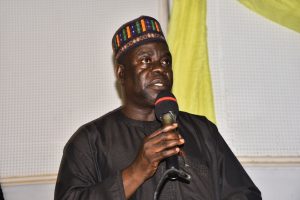
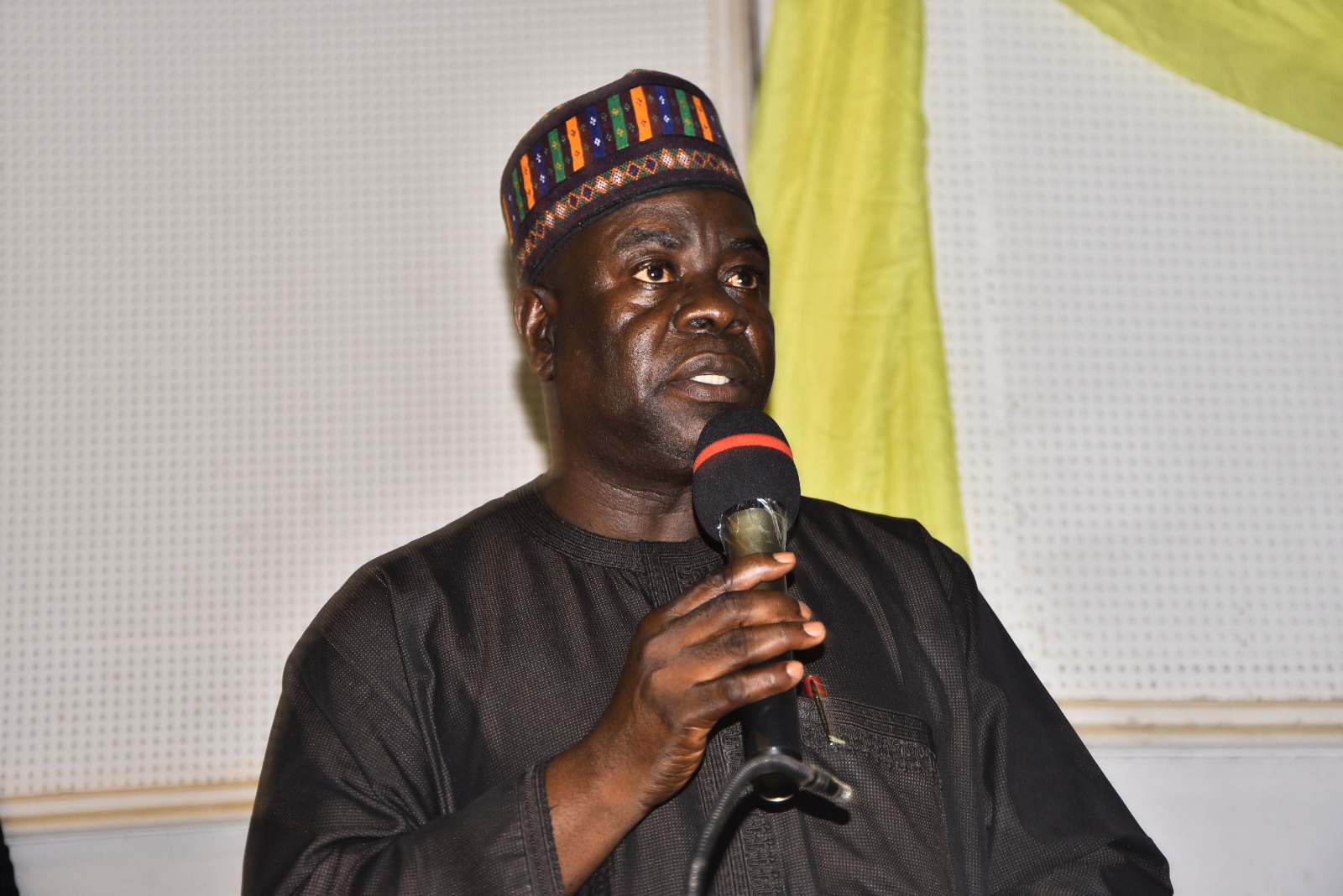
Speaking at the occasion, the Vice-Chancellor, Prof Adamu Ahmed, said the conference theme stroke at the heart of national developmental crisis.
The Vice-Chancellor, represented by the Deputy Vice-Chancellor, Administration, Prof Bello Sabo, also said the complex challenges of climate resilient cities could not be solved by an architect working without engineer, nor could a master plan survive without the commercial realities managed by the estate surveyor or the cost discipline of the quantity surveyor.
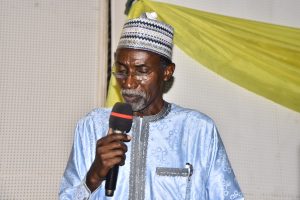
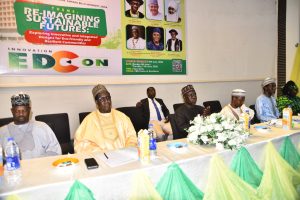
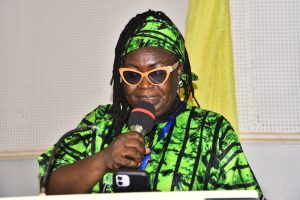
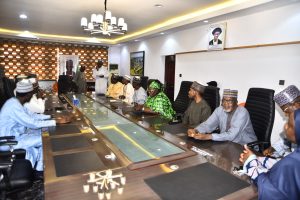
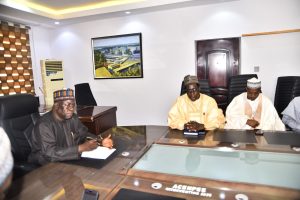
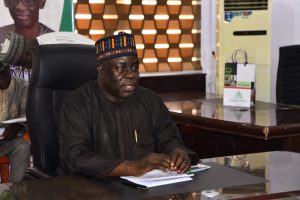
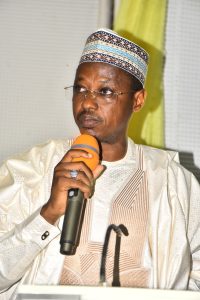

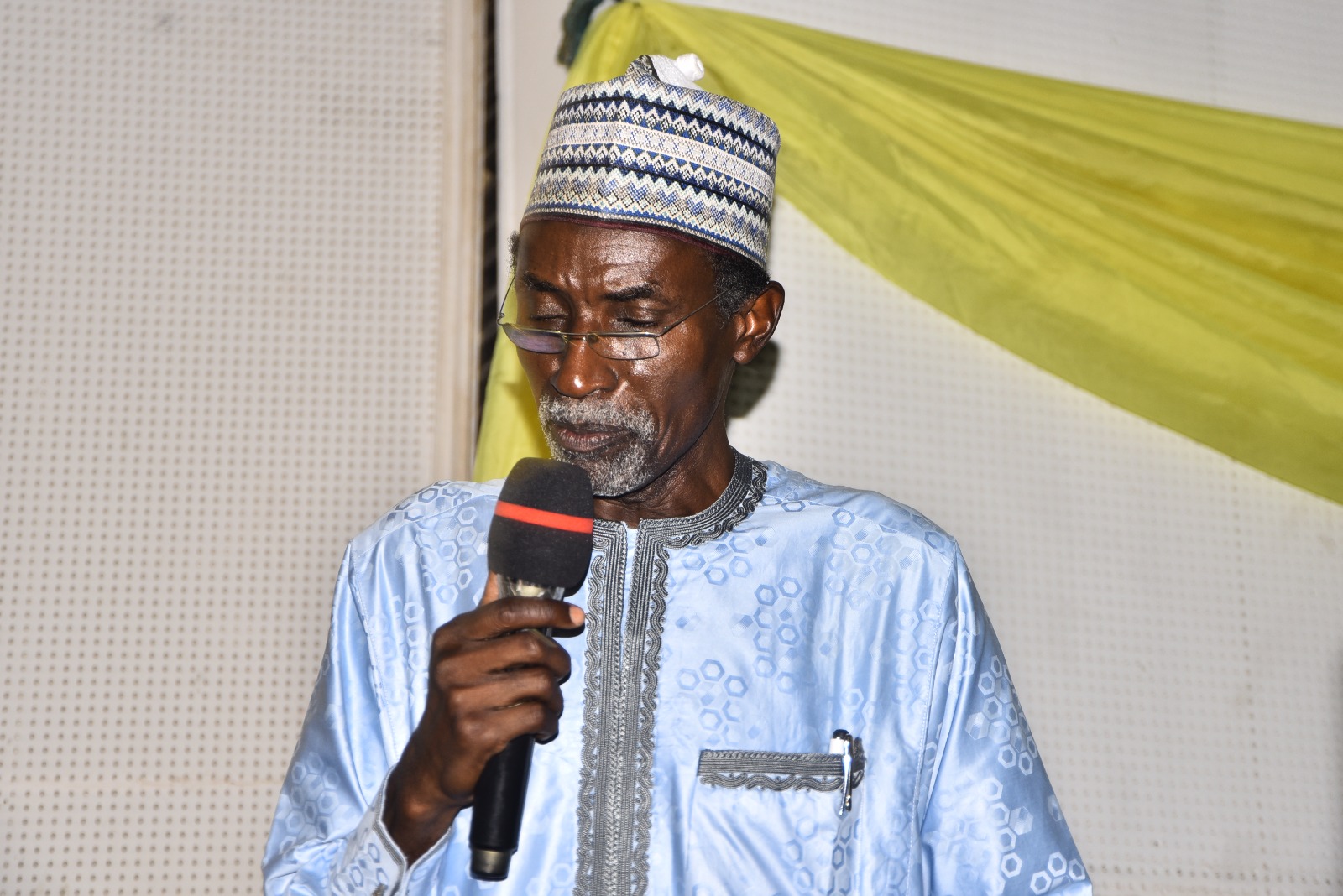
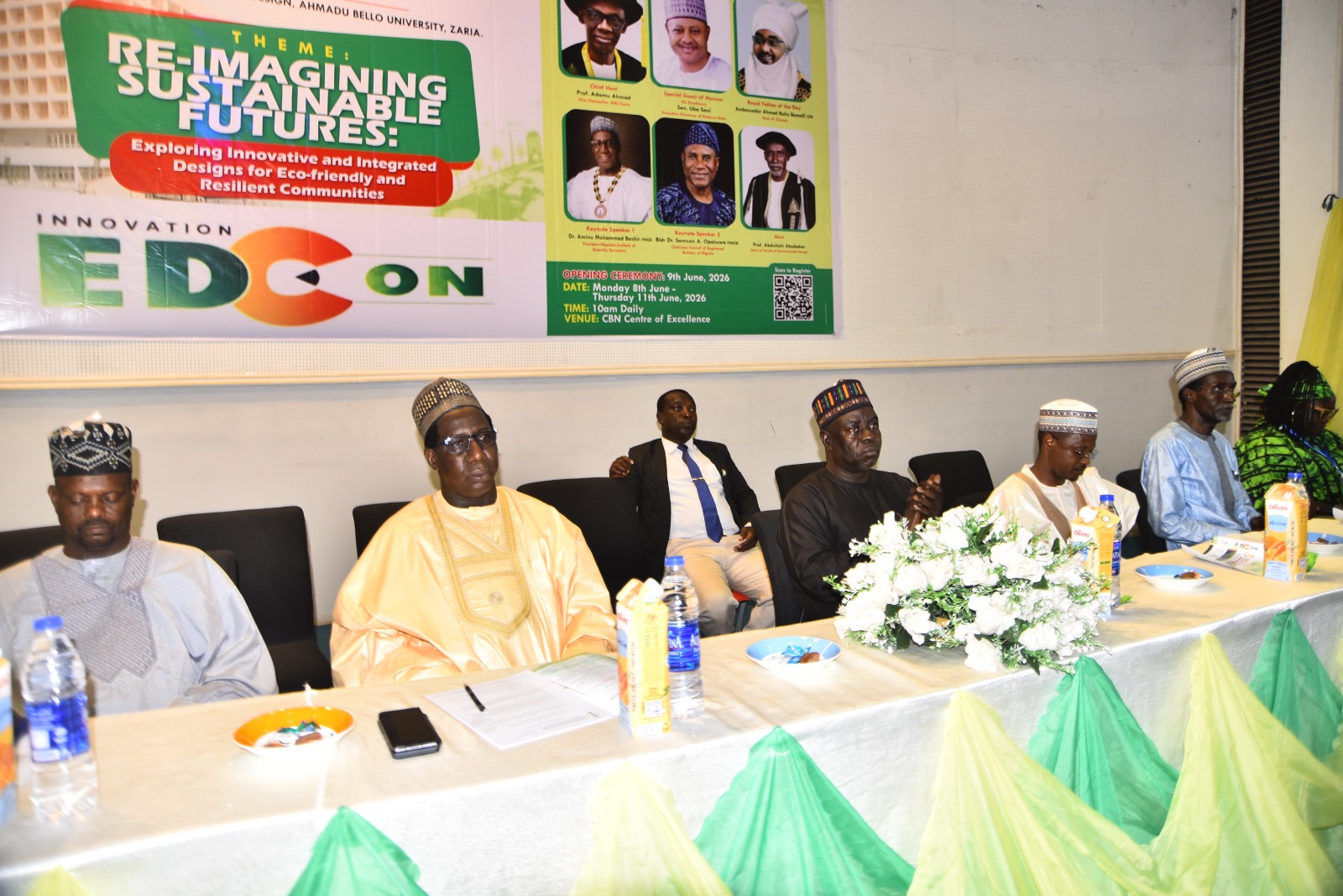
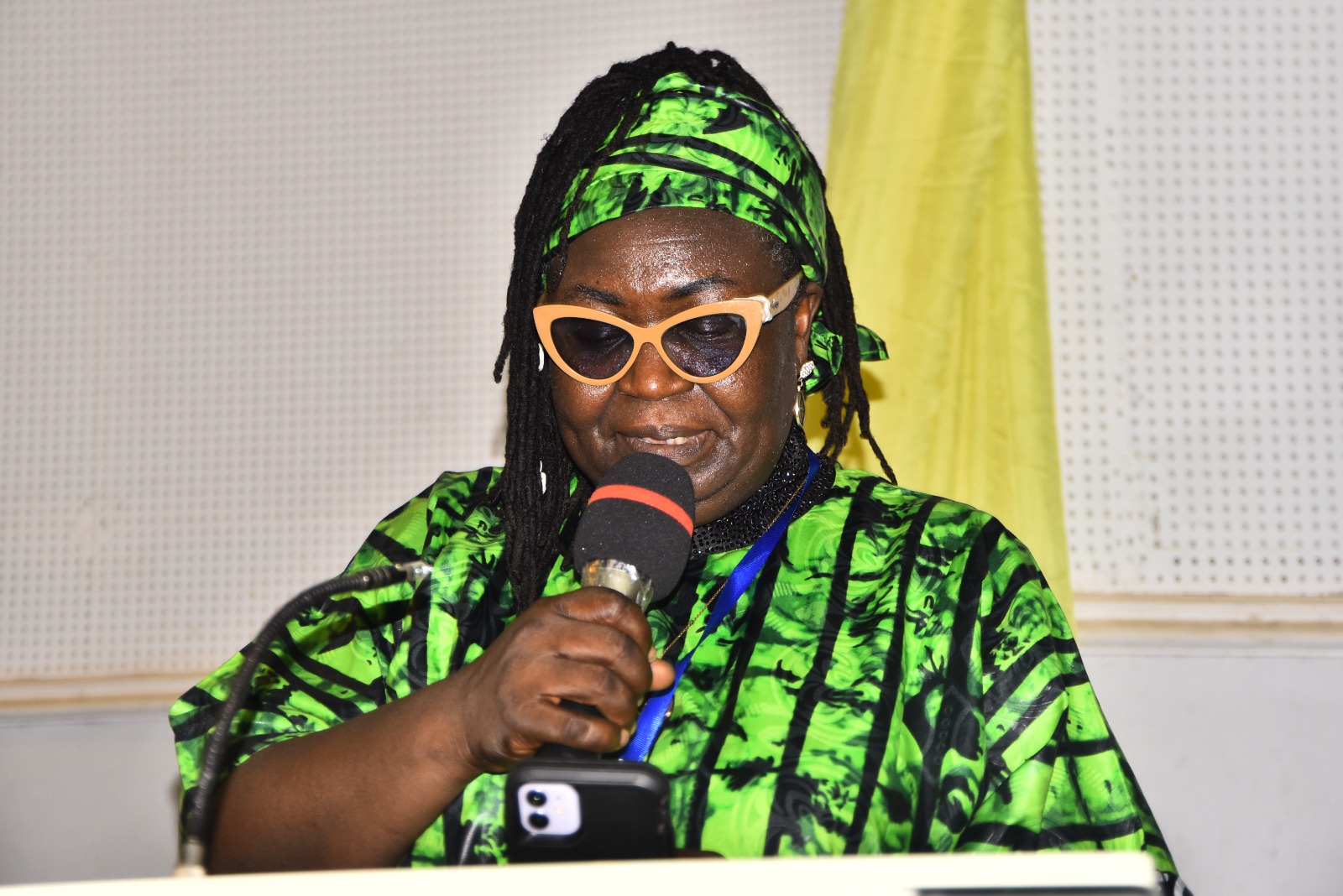
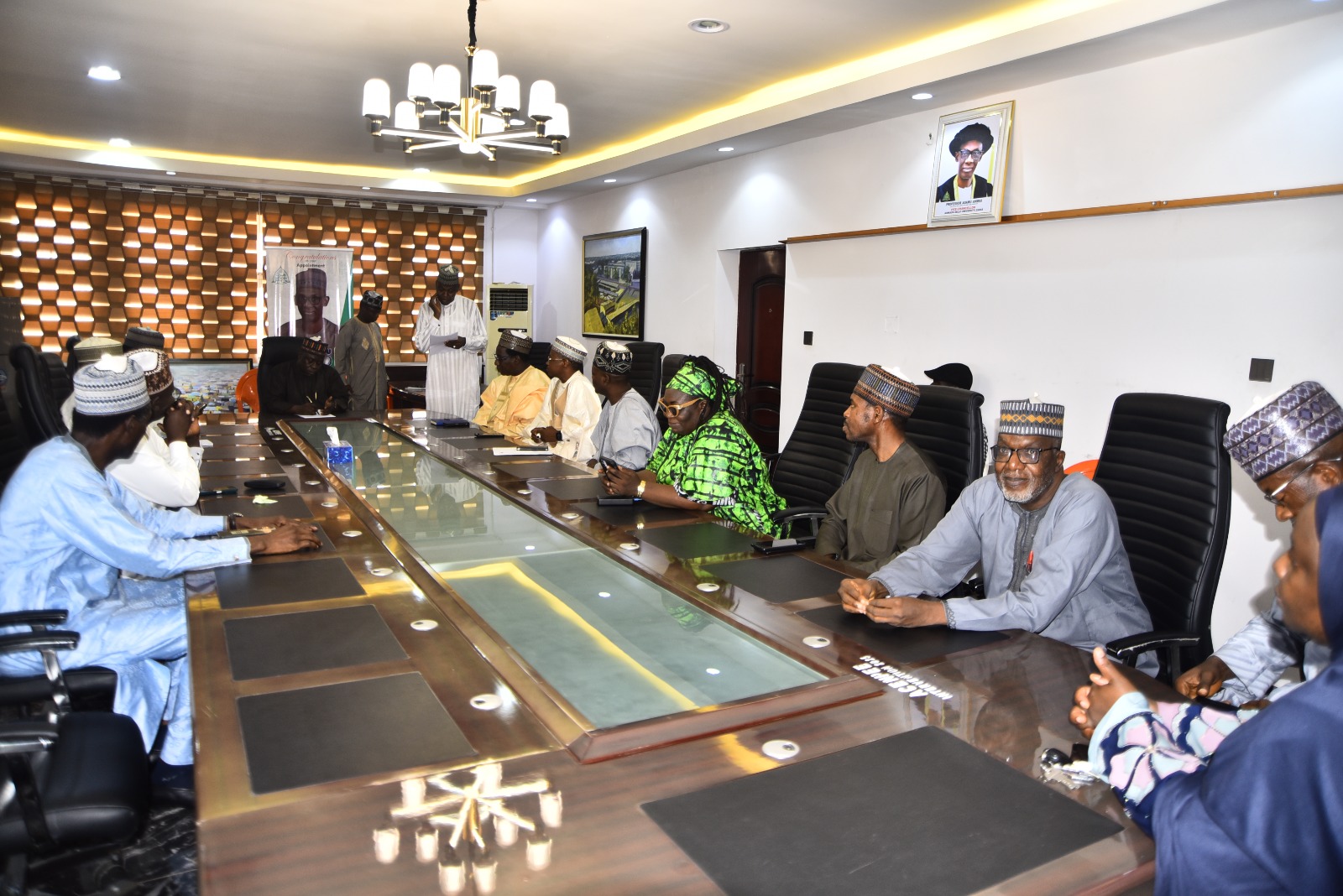
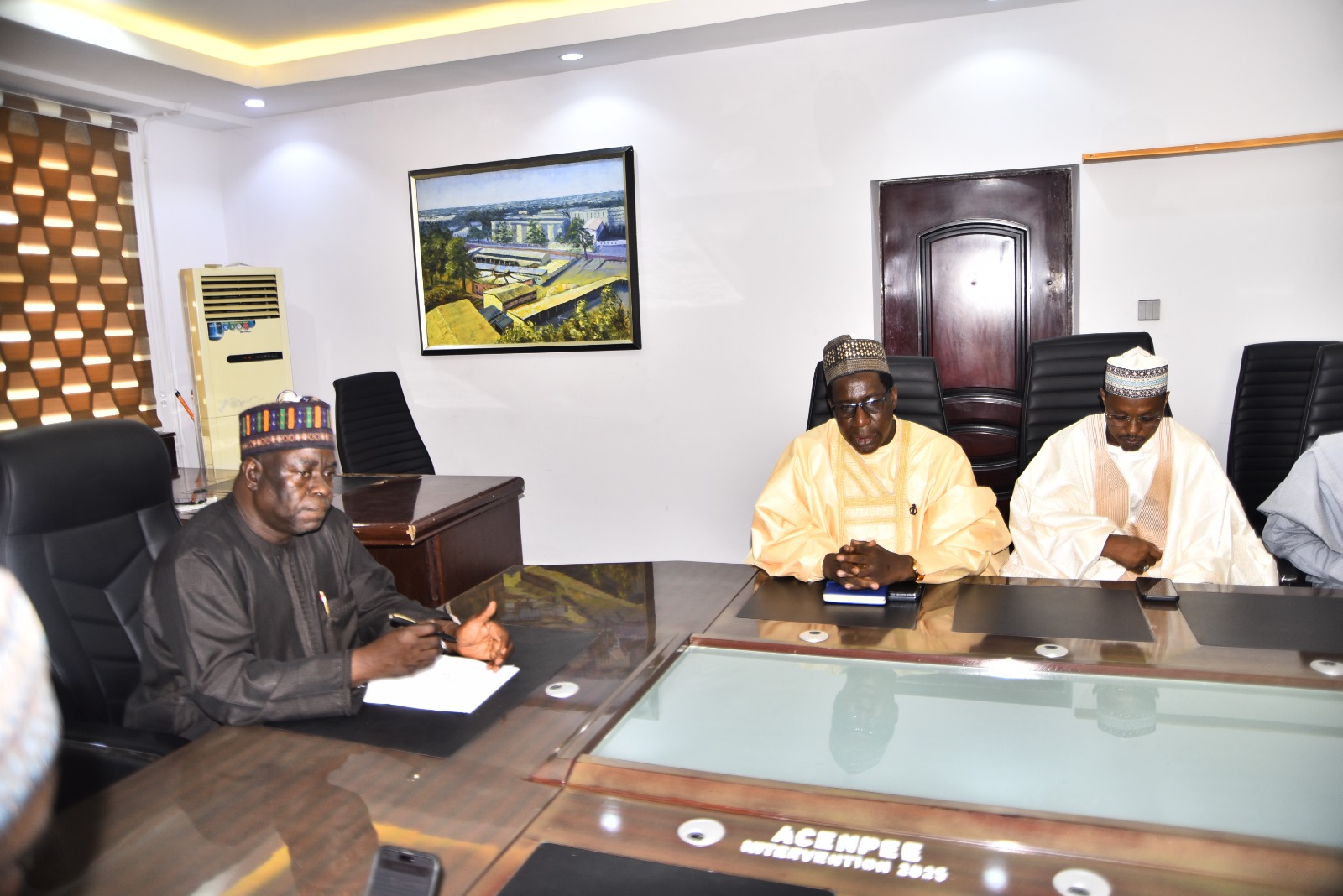
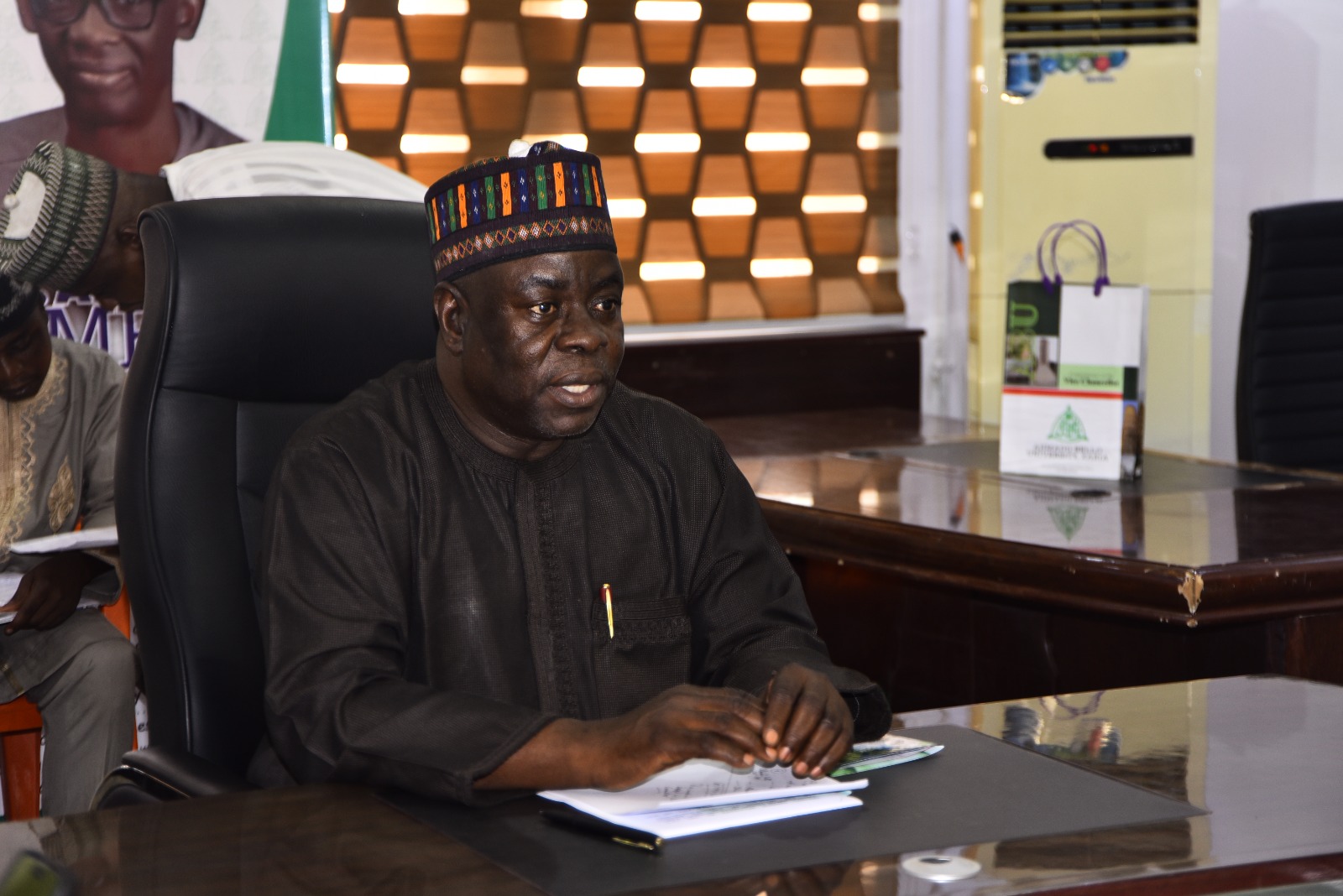
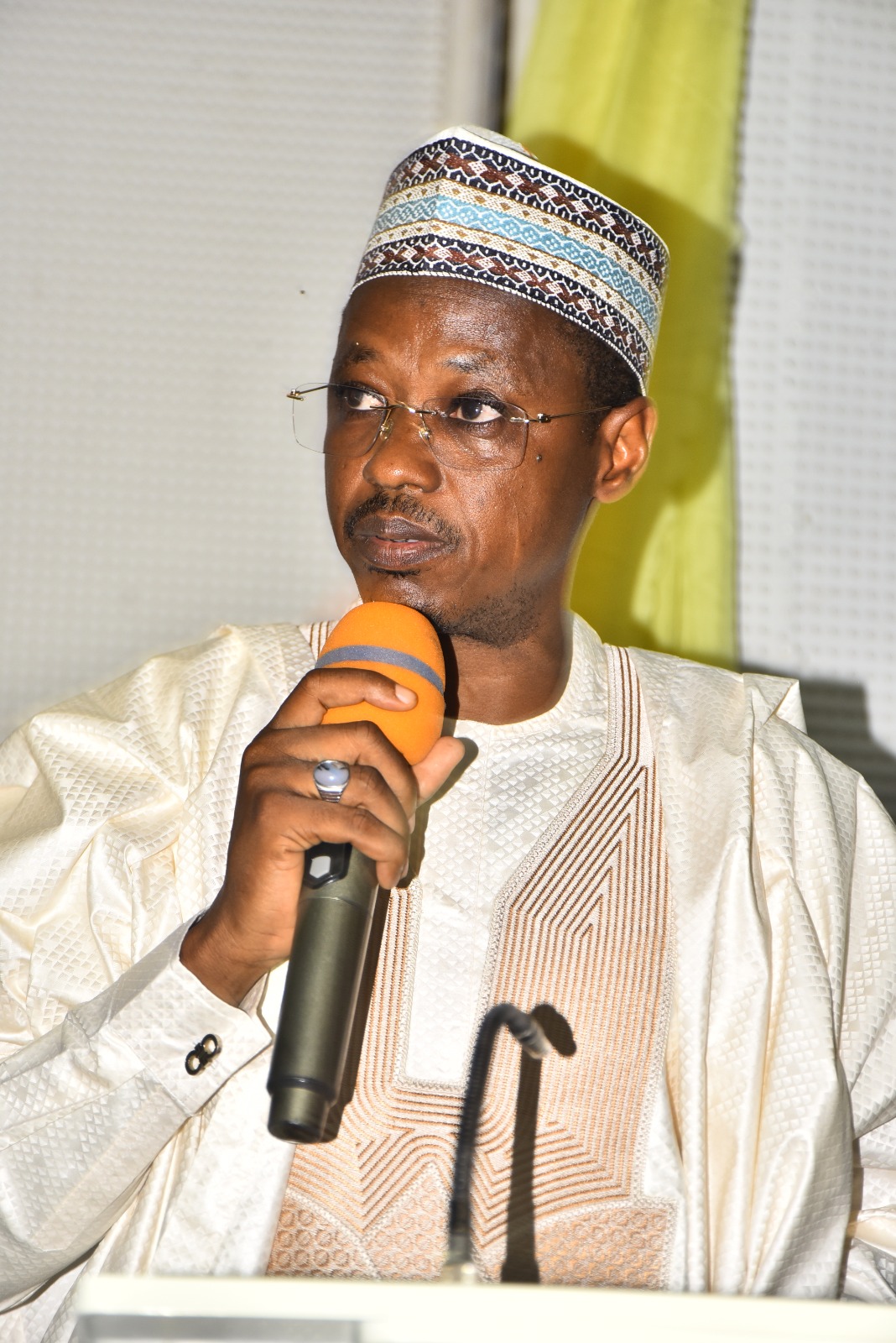
Prof Ahmed stated that the university’s commitment to research infrastructure remains absolute, and that they were continuously supporting partnerships that established green architecture laboratories, generating the localized, empirical data necessary to break reliance on imported, climate-inappropriate design standards.
He thanked all the participants and wished them highly productive, cross-disciplinary and impactful deliberations.
Earlier in an address of welcome, the Dean, Faculty of Environmental Design, Prof Abdullahi Abubakar, said the conference came at a time when the West African sub-region was facing unprecedented environmental pressures.
Prof Abubakar said rapid urbanization, localized climate vulnerabilities, severe thermal discomfort, and dwindling energy resources were putting pressure on different Nigerian communities.
According to the Dean, the traditional, siloes approaches to design, construction, and physical planning were no longer sufficient to withstand these pressures.
He said to re-imagine meant to break away from obsolete paradigms by challenging them to look beyond immediate construction costs and think about building lifecycles, passive environmental control systems, daylighting optimization, and low-carbon building materials.
In a remark, the Chairperson of the local organizing committee, Prof Adel Garkida, appreciated all participants for attending the conference.
Prof Garkida expressed pleasure chairing the local organizing committee for three consecutive times.
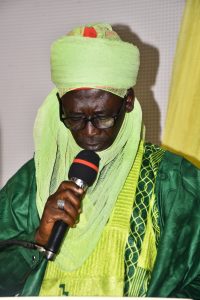
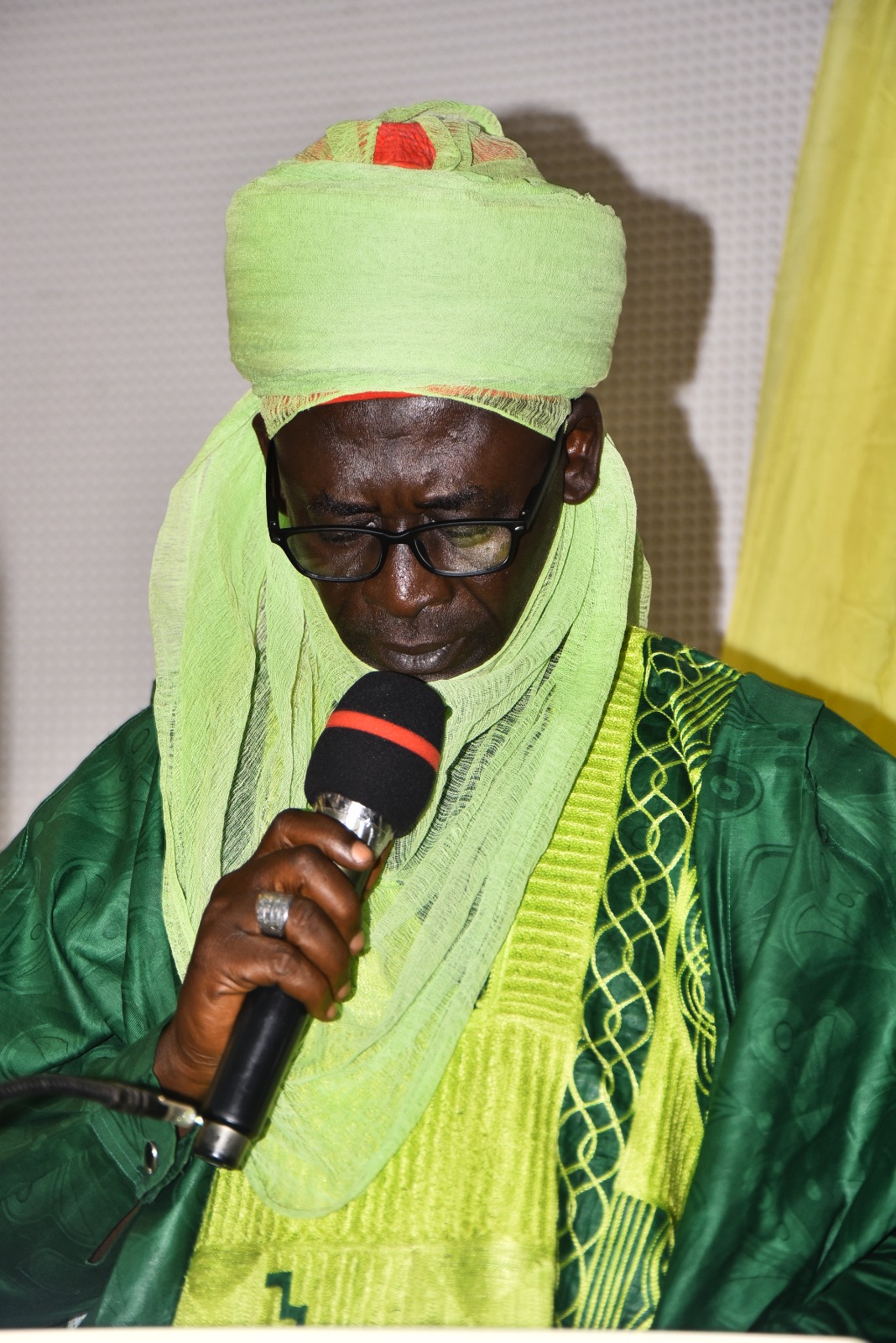
Also speaking, Chairman of the occasion, Emir of Zazzau, Malam Ahmed Nuhu Bamalli, CFR, commended members of the Faculty of Environmental Design for their contributions to knowledge.
The Emir, who was represented by Sarkin Samaru, Alhaji Dauda Abubakar, expressed gratitude to the Dean of the Faculty and the local organizing committee for inviting him to chair the occasion.
In a keynote speech, the President, Nigerian Institute of Quantity Surveyors, Dr Aminu Mohammed Bashir, said as experts, they knew what must be done, they had the science, the frameworks, the warnings and yet the gap between knowledge and action persisted.
Dr Bashir emphasized that this was where the built environment and the professionals who shaped it became central to the solution.
The President reiterated that the conference called them to reimagine, but imagination alone was not enough, stressing that vision without implementation was merely aspiration.
He thanked the organizers for the opportunity given to him and wished them well in subsequent engagements.
In another keynote speech, Chairman, Council of Registered Builders of Nigeria, Bld Dr Samson A Opaluwa, affirmed that across the world, communities were facing unprecedented challenges arising from climate change, rapid urbanisation, population growth, resource depletion, environmental degradation, infrastructure deficits, energy insecurity, and socio-economic inequalities.
Opaluwa stressed that these continued to place pressure on cities and communities, and in many developing countries, including Nigeria, these challenges were further compounded by inadequate planning, weak infrastructure systems, poor maintenance culture, and limited integration of sustainability principles into development processes.
Opaluwa, a first class graduate of Building Class of 1978, thanked the Faculty of Environmental Design and the University Management for finding him worthy of serving as one of the keynote speakers.
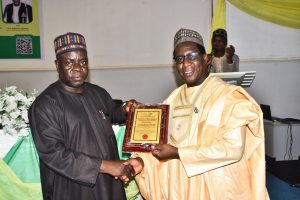
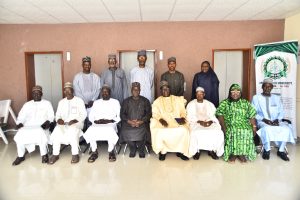
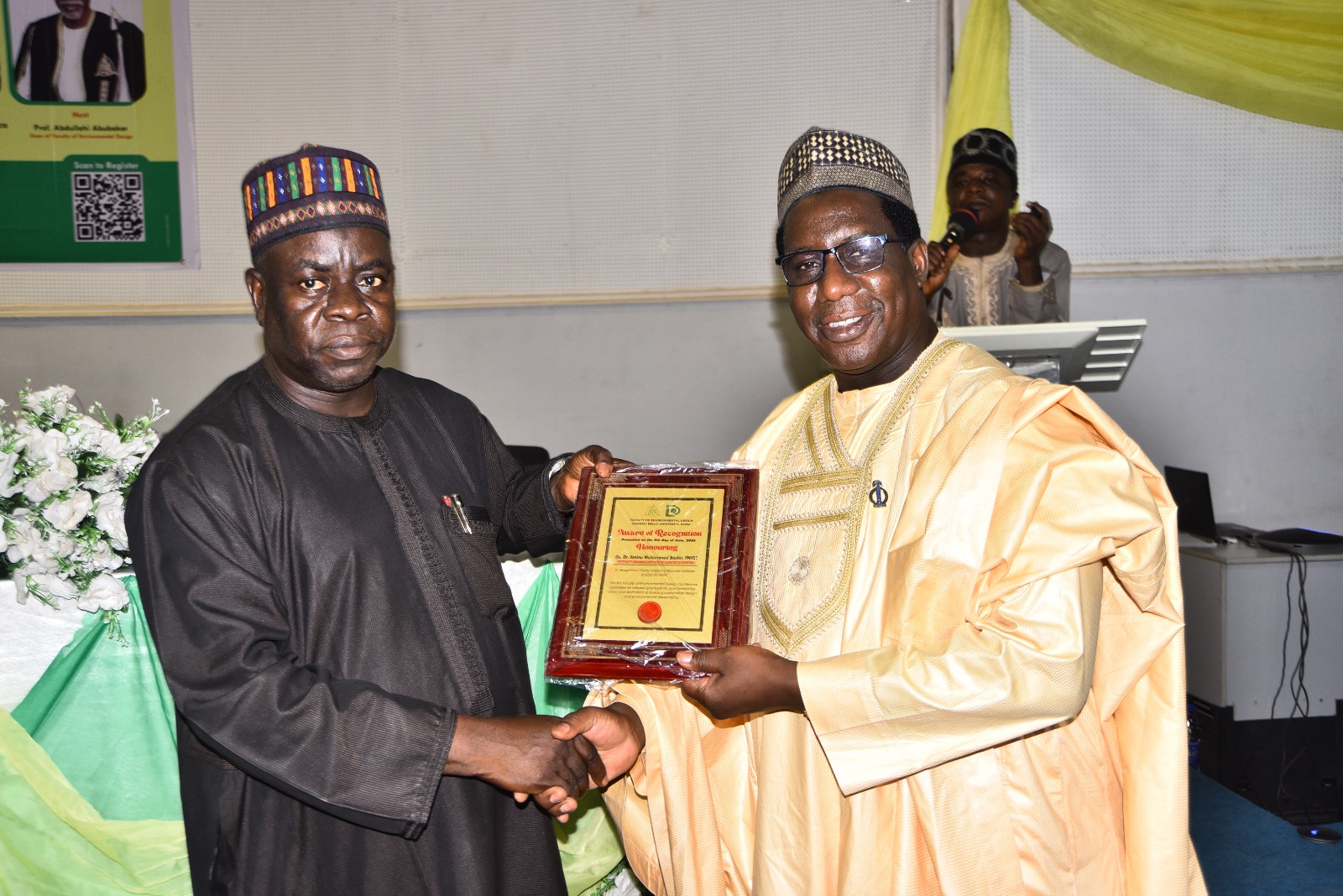
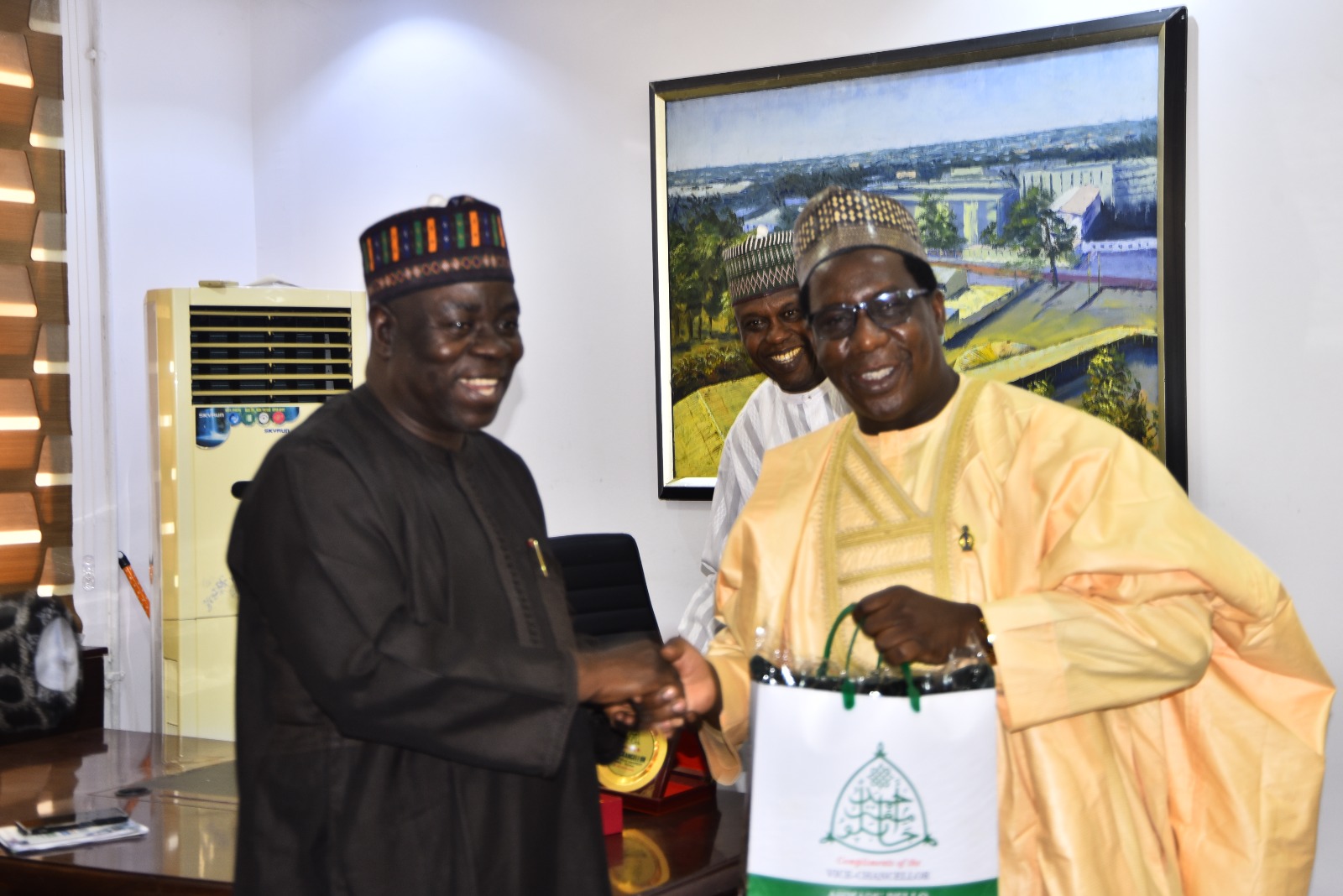
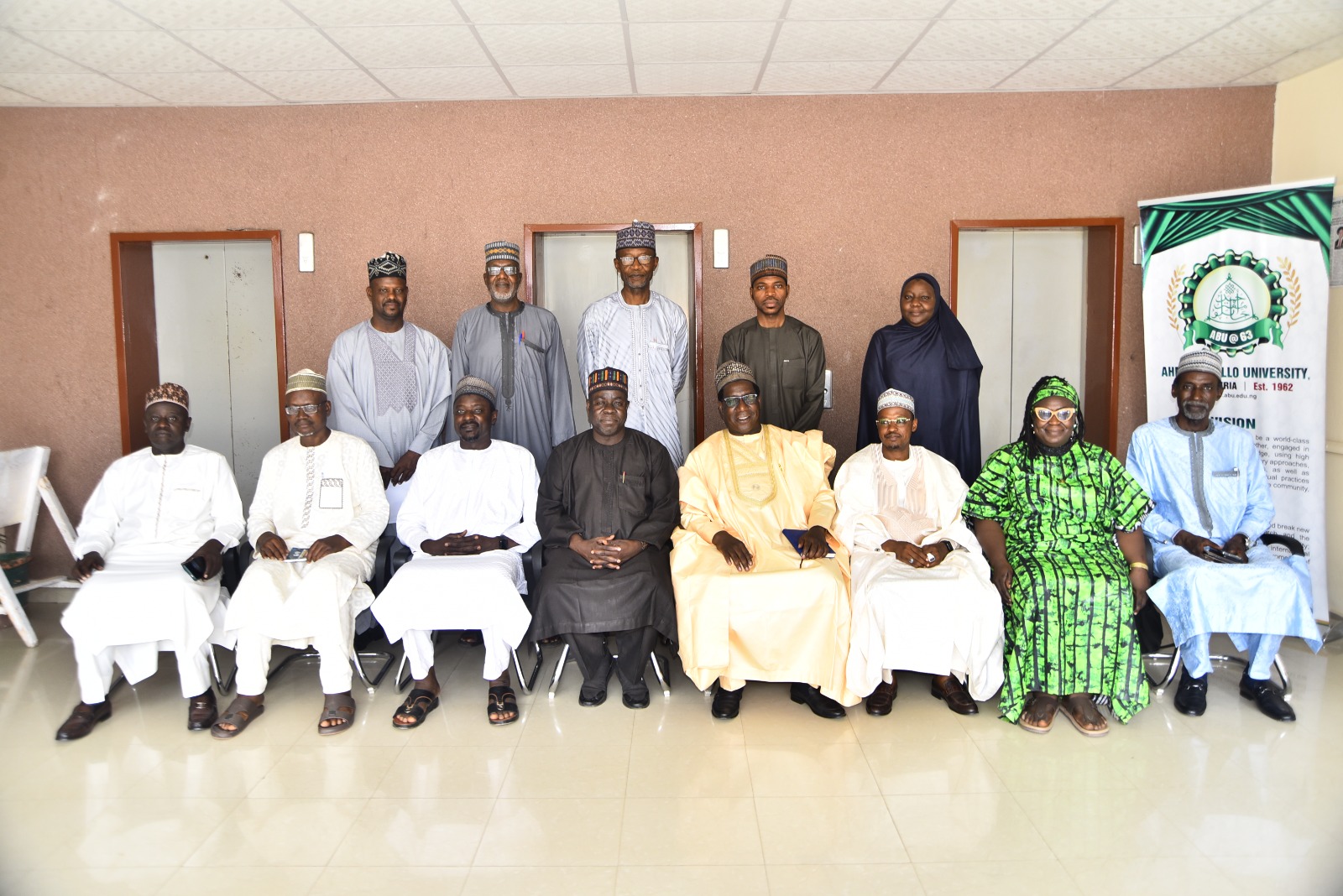
Featured at the event were goodwill messages, presentation of plagues to keynote speakers and group photograph.
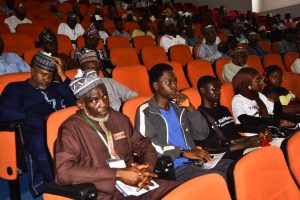
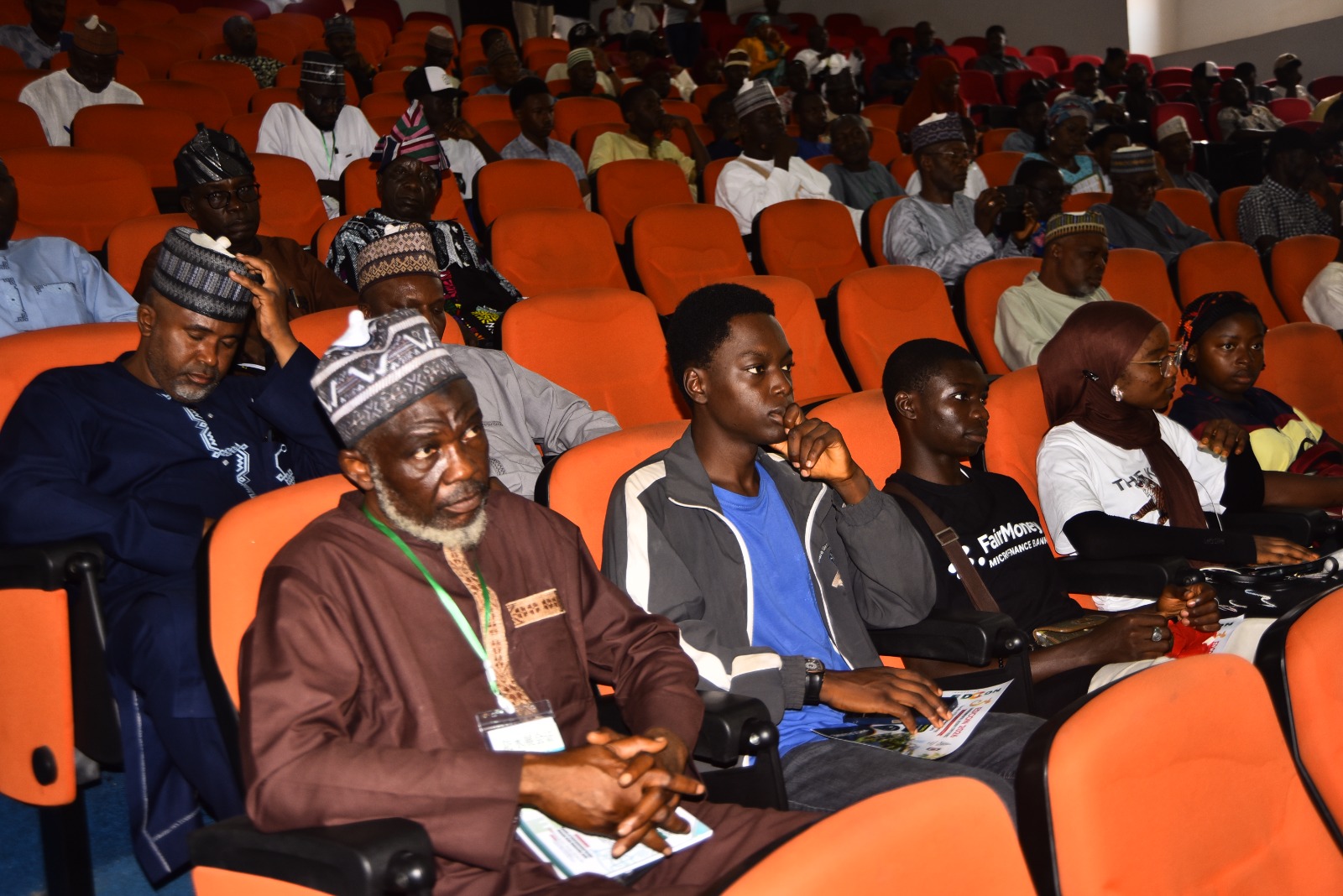
The event was attended by Deans, Directors, Heads of Department, captains of industry, stakeholders, students and participants from different places across the country.
……………………………………..
Public Affairs Directorate,
Office of the Vice-Chancellor,
Ahmadu Bello University, Zaria (NEWS/AHW/PIC/TKU)
Wednesday, 10th June, 2026