Why we introduced crop residues milling – NAPRI
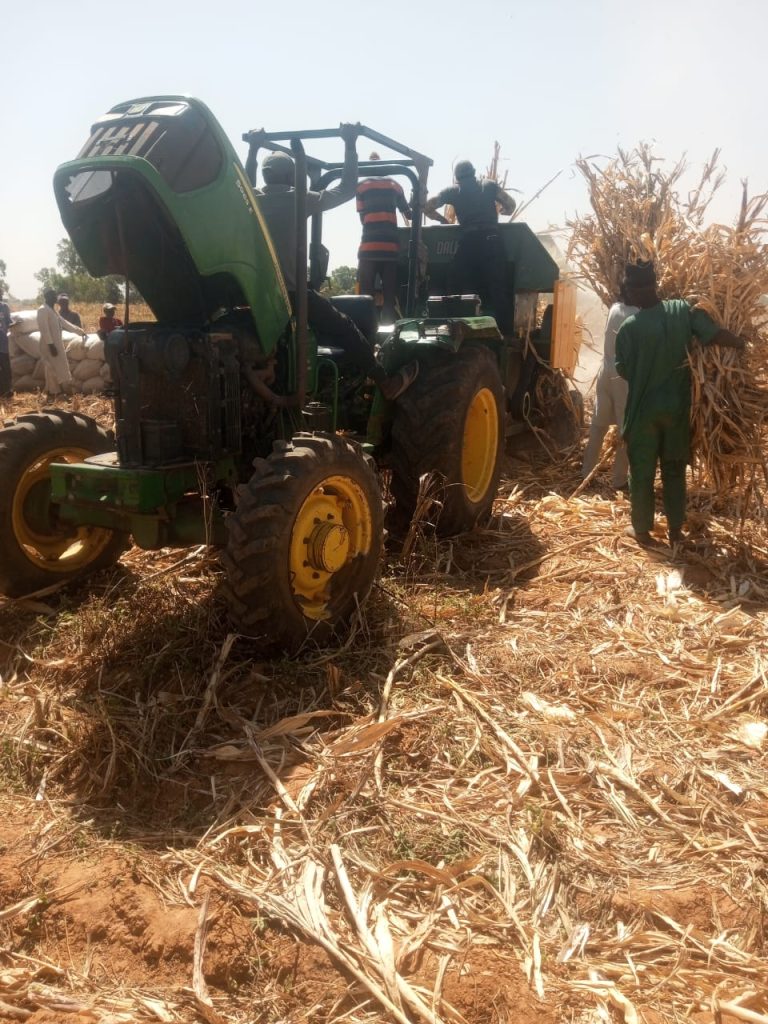
The National Animal Production Research Institute (NAPRI), Ahmadu Bello University, Zaria, says it introduced the milling of crop residues to complement the dry season feed shortages of ruminants and pseudo-ruminants.
Last year’s crushing of crop residues after the 2024 rainy season yielded positive results as the institute produced a total of 748 bags (100kg-jumbo sacks) of the crop residues.
NAPRI Deputy Director, Dr Muhammad Sa’id Tanko, disclosed this while inspecting this year’s crop residues crushing exercise on the institute farms at Shika.
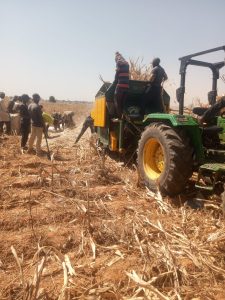
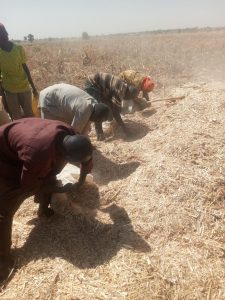
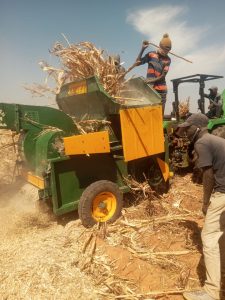
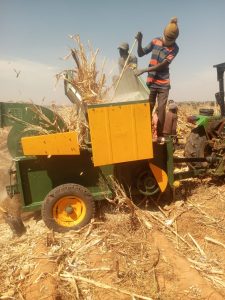
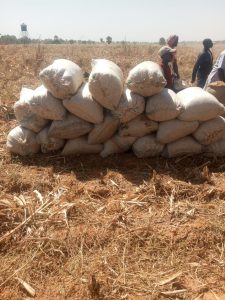
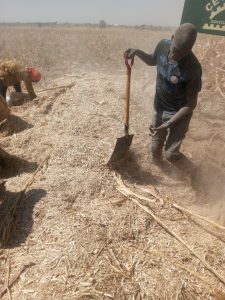
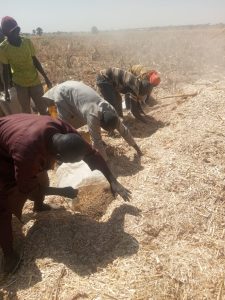
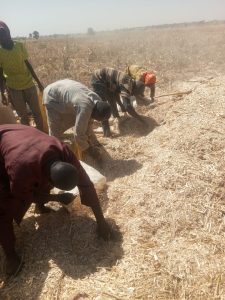
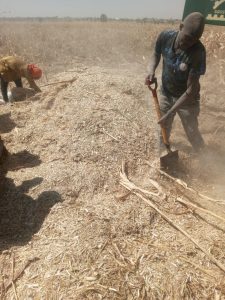
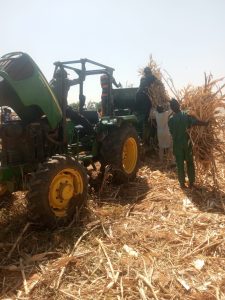
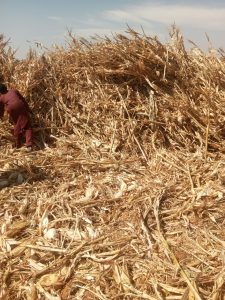
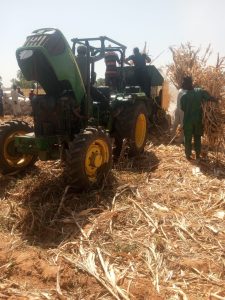

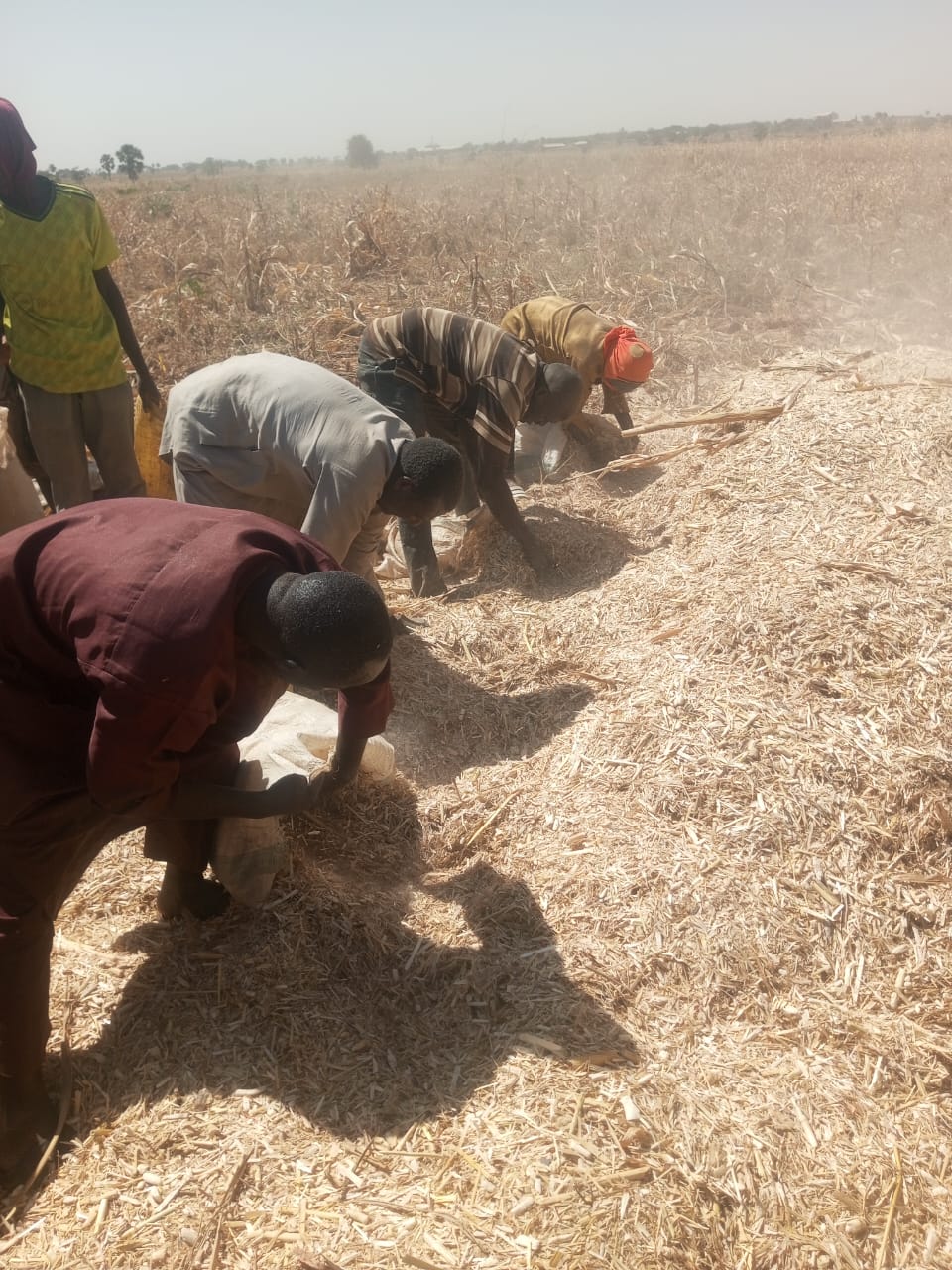
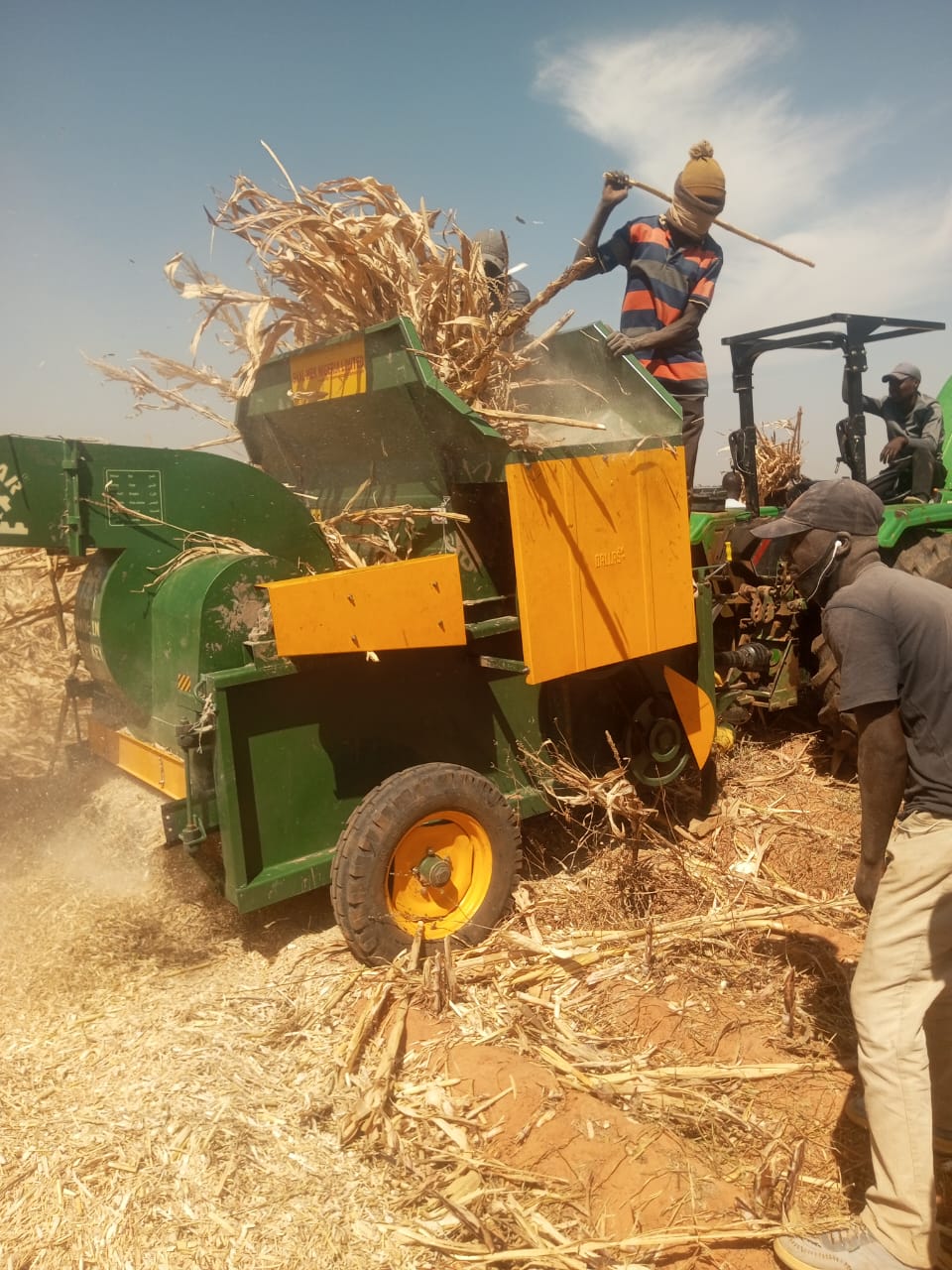
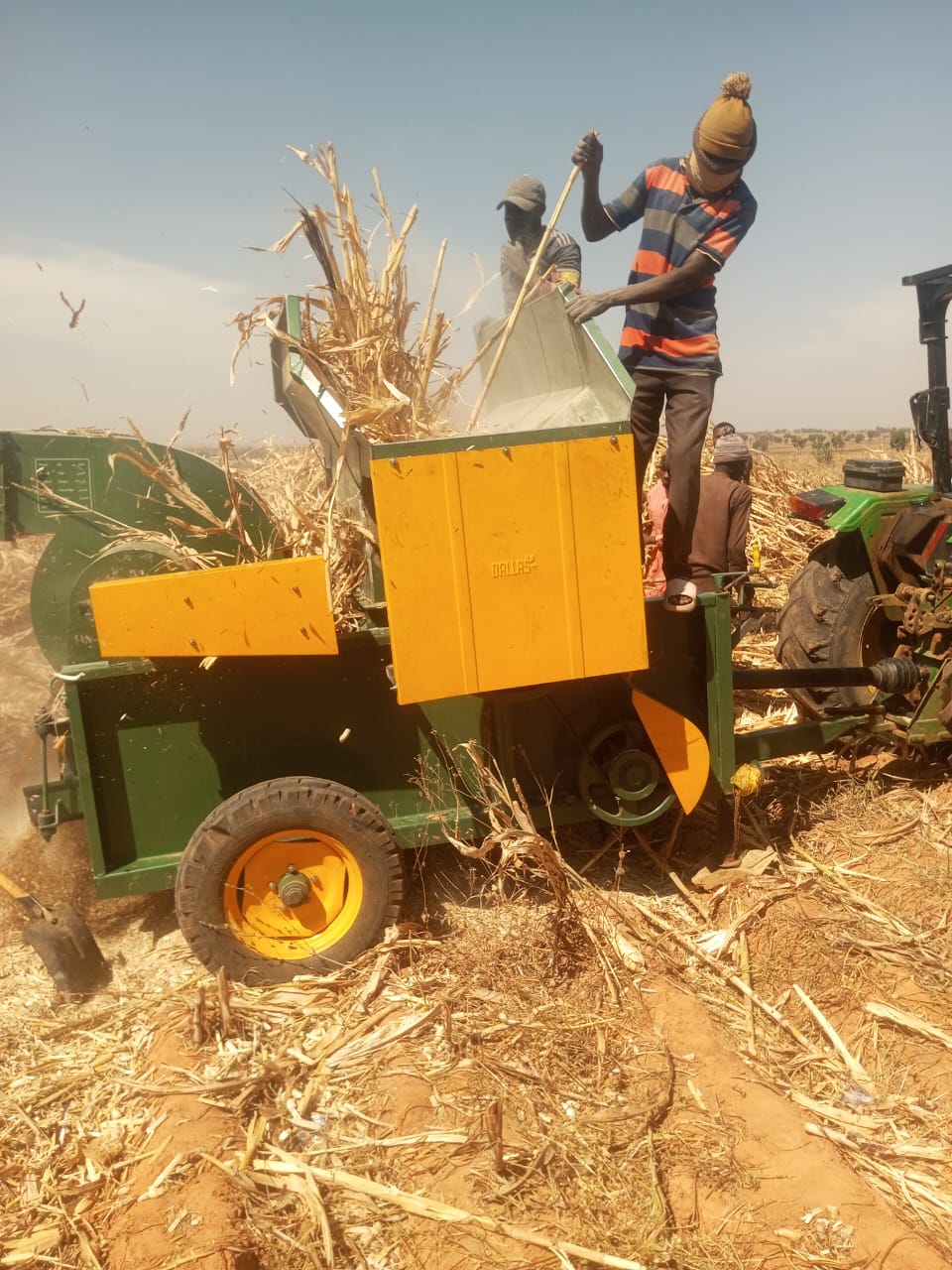
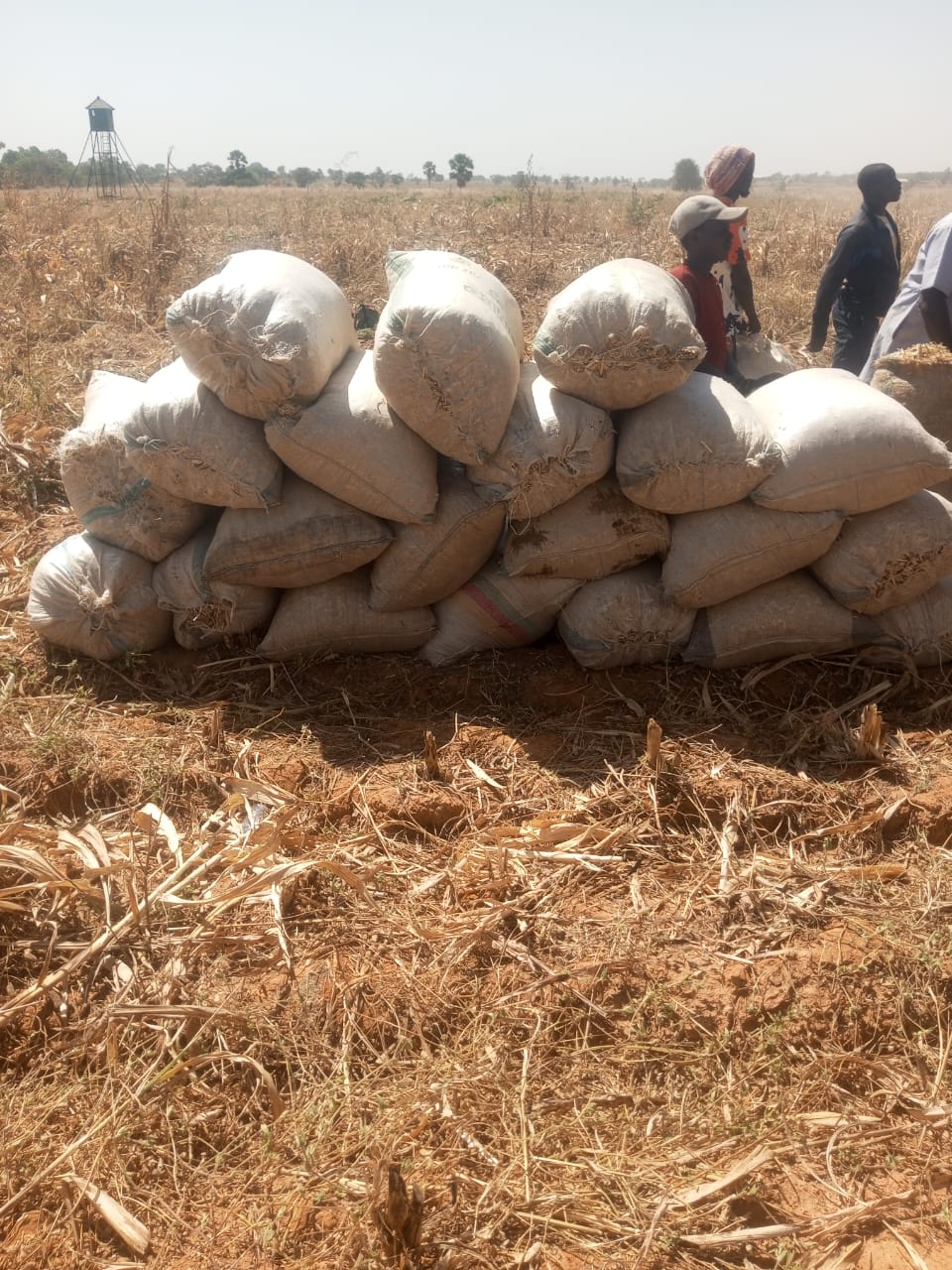

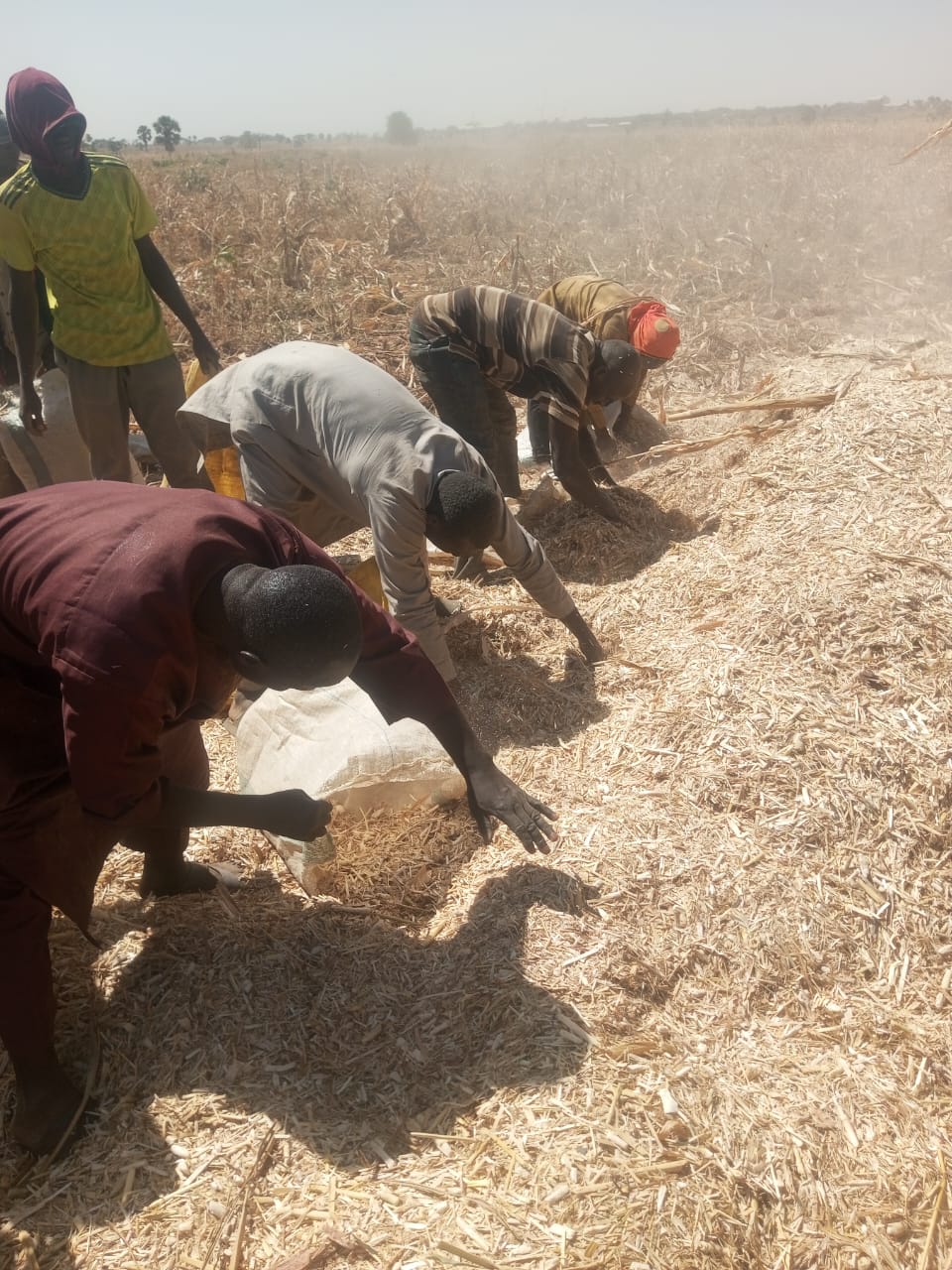
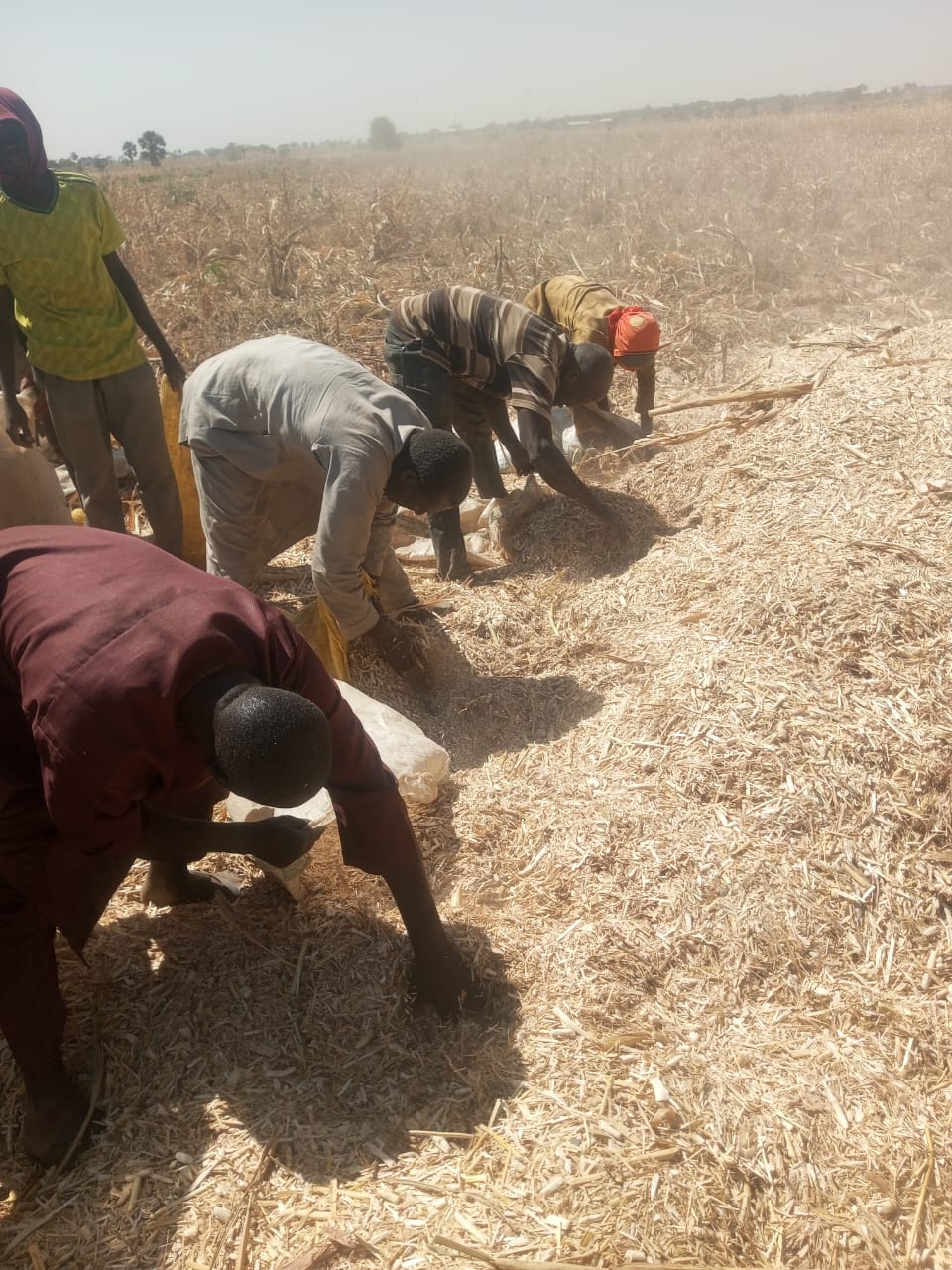
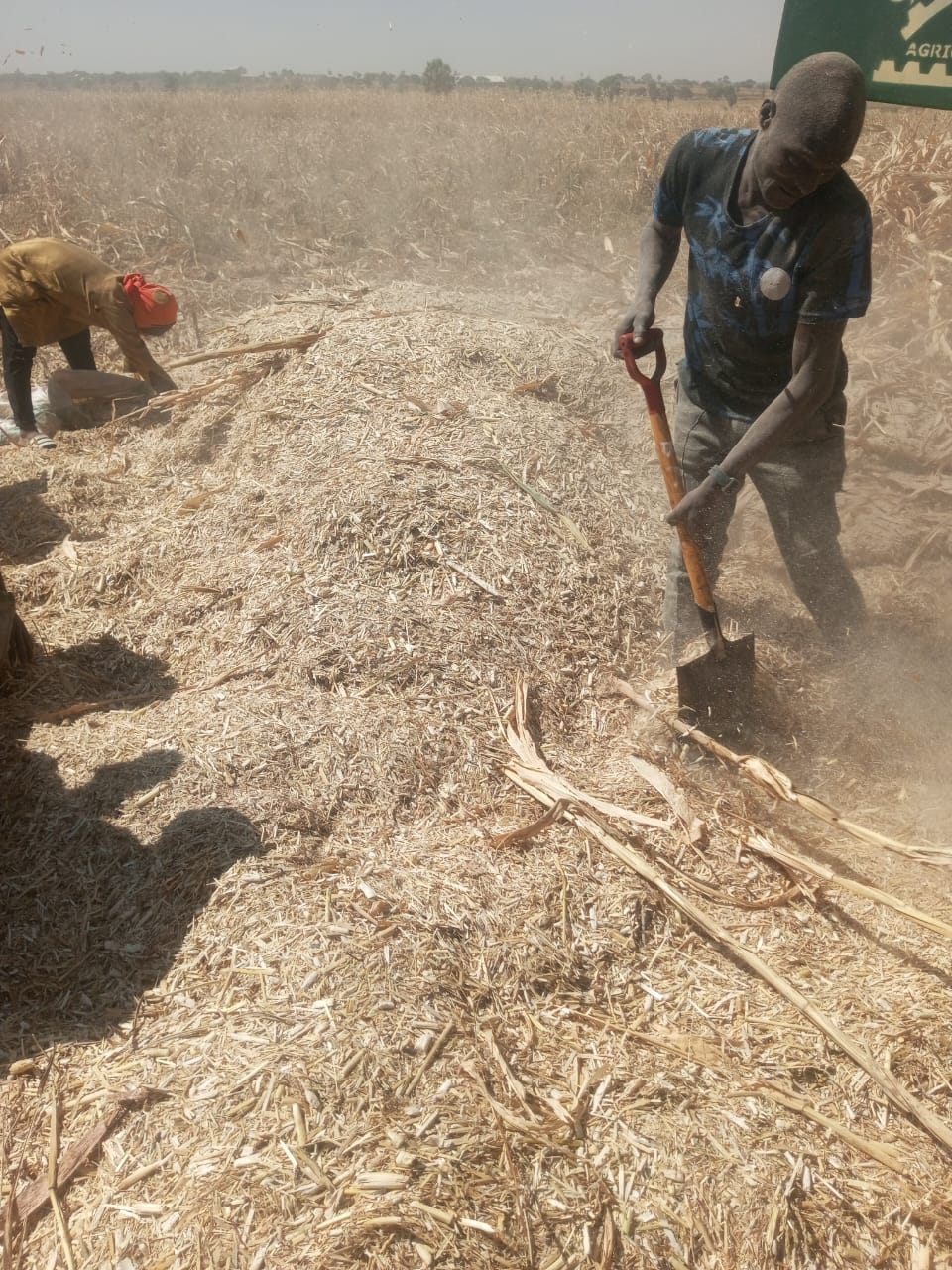

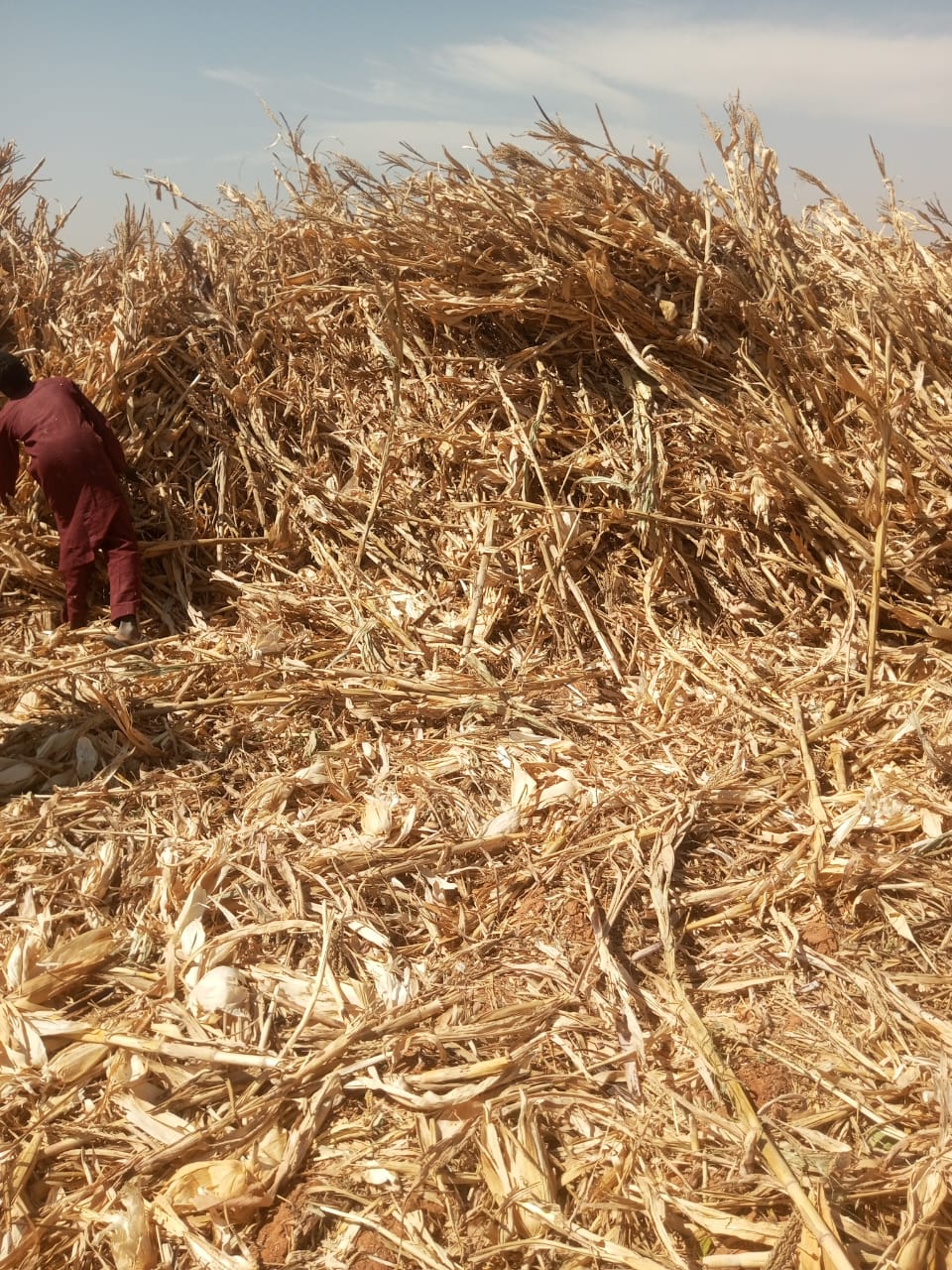
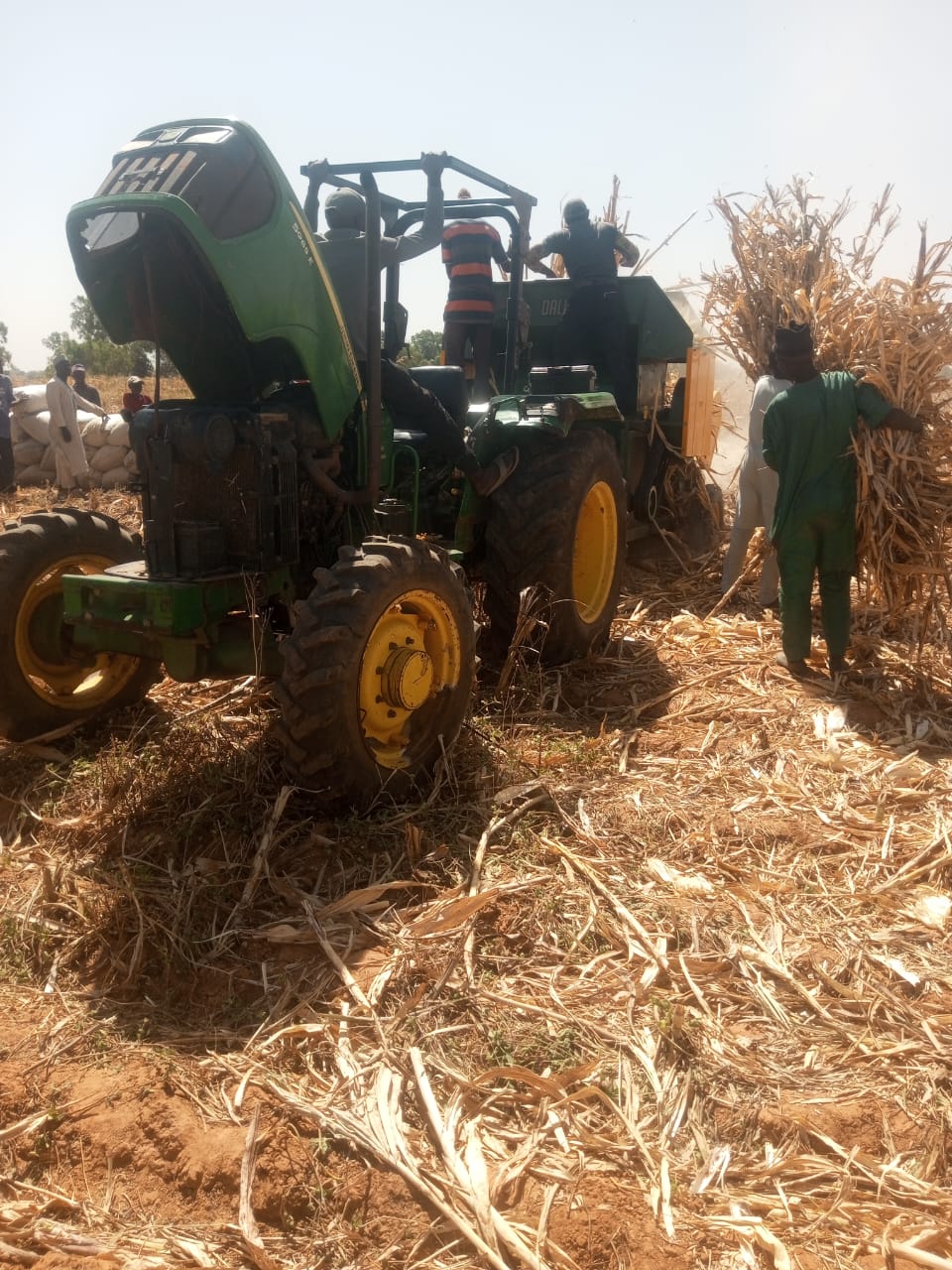
Over 70 workers are all over the farms for the grinding of crop residues, an agricultural activity which the institute started on 23rd December, 2025.
“Following 2024 rainy season, the institute utilized sufficient quantity of the crop residues to complement the dry season feed shortages of ruminants which yielded positive response.
“Similarly, after the 2025 rainy season, NAPRI, against all odds, started on 23rd December, 2025, on large-scale evacuation, gathering, and crushing of crop residues for proper and optimal utilisation”, he said.
The target for this season, according to him, was to multiply in many folds the last year’s crop residues, for example, 3,500 bags against the 2026 dry season supplementation.
He further explained that the last year’s crushed crop residues were stored and efficiently utilized to supplement the 2025 dry season feeding of the institute’s sheep, goats, and cattle.
Crop residues are post-harvest roughages or materials left after the removal of the primary feed (cereals and legumes grains/seeds) from crop plants.
The residues constitute important feed for ruminants during dry season of every year.
They include the stover of sorghum, maize, and millet, rice straws, soya beans husks, and groundnut haums used to complement the dry season feed shortages of the conventional feed.
According to the Deputy Director, the quality of the crop residues produced by the institute was being improved by fortifying with moisture, qualitative poultry droppings and molasses.
The Deputy Director thanked the workers, who were being overseen by Dalhatu Mohammed, a Principal Technical Officer, and Shehu Umar Shagi, a security head, for the commendable job.
Dalhatu Mohammed, who said the crop residues crushing would be rounded off in one week, appreciated the NAPRI management for all the support given to them to accomplish the task.
………………………………………
Public Affairs Directorate,
Office of the Vice-Chancellor,
Ahmadu Bello University, Zaria (NEWS/NAM)
Wednesday, 31st December, 2025