
Agric extension critical pillar for transforming agriculture, NAERLS Director says
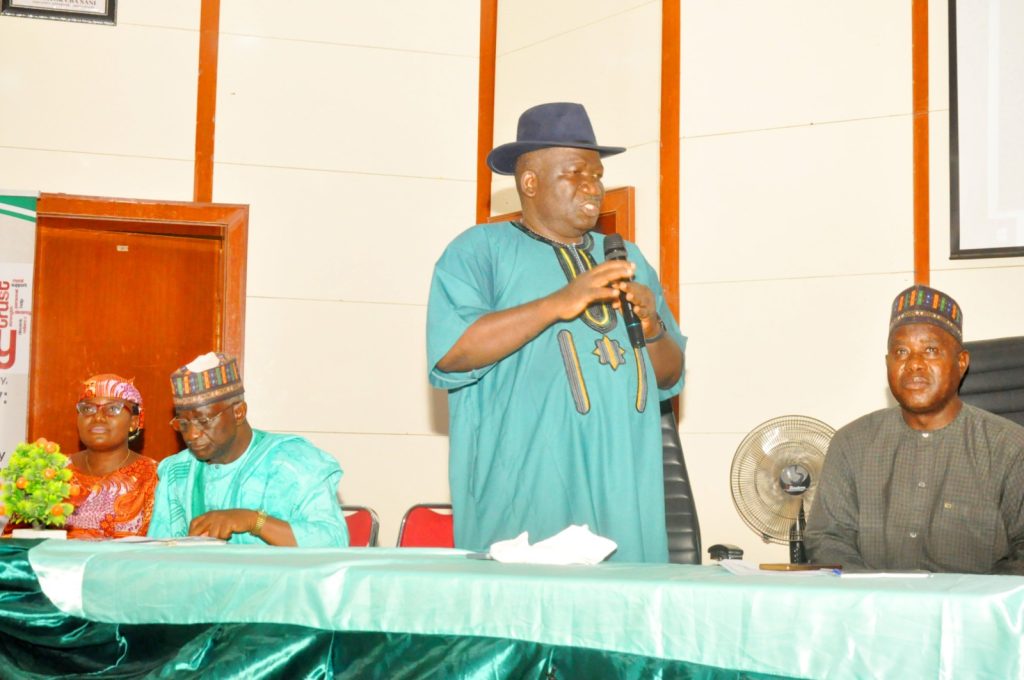
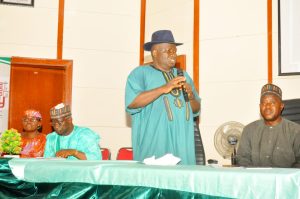
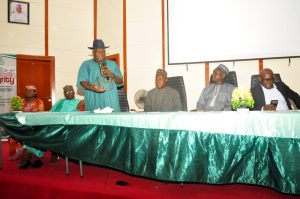
The Executive Director, National Agricultural Extension and Research Liaison Services (NAERLS), Prof Yusuf Sani Ahmad, has described agricultural extension and advisory services as critical pillar for transforming agriculture.
He said such services were also essential for improving productivity, enhancing food security, and strengthening the resilience of farming communities across Africa.
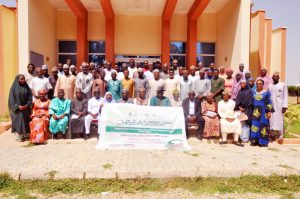
The Director spoke at the C4SEAS AEAS training workshop held on Tuesday, 2nd June, 2026, at the NAERLS Ultra Modern Hall, Samaru, Zaria.
Prof Ahmad said the rapidly evolving challenges posed by climate change, soil degradation, emerging pests and diseases, and changing market dynamics required extension professionals to continuously update their knowledge, skills, and approaches.
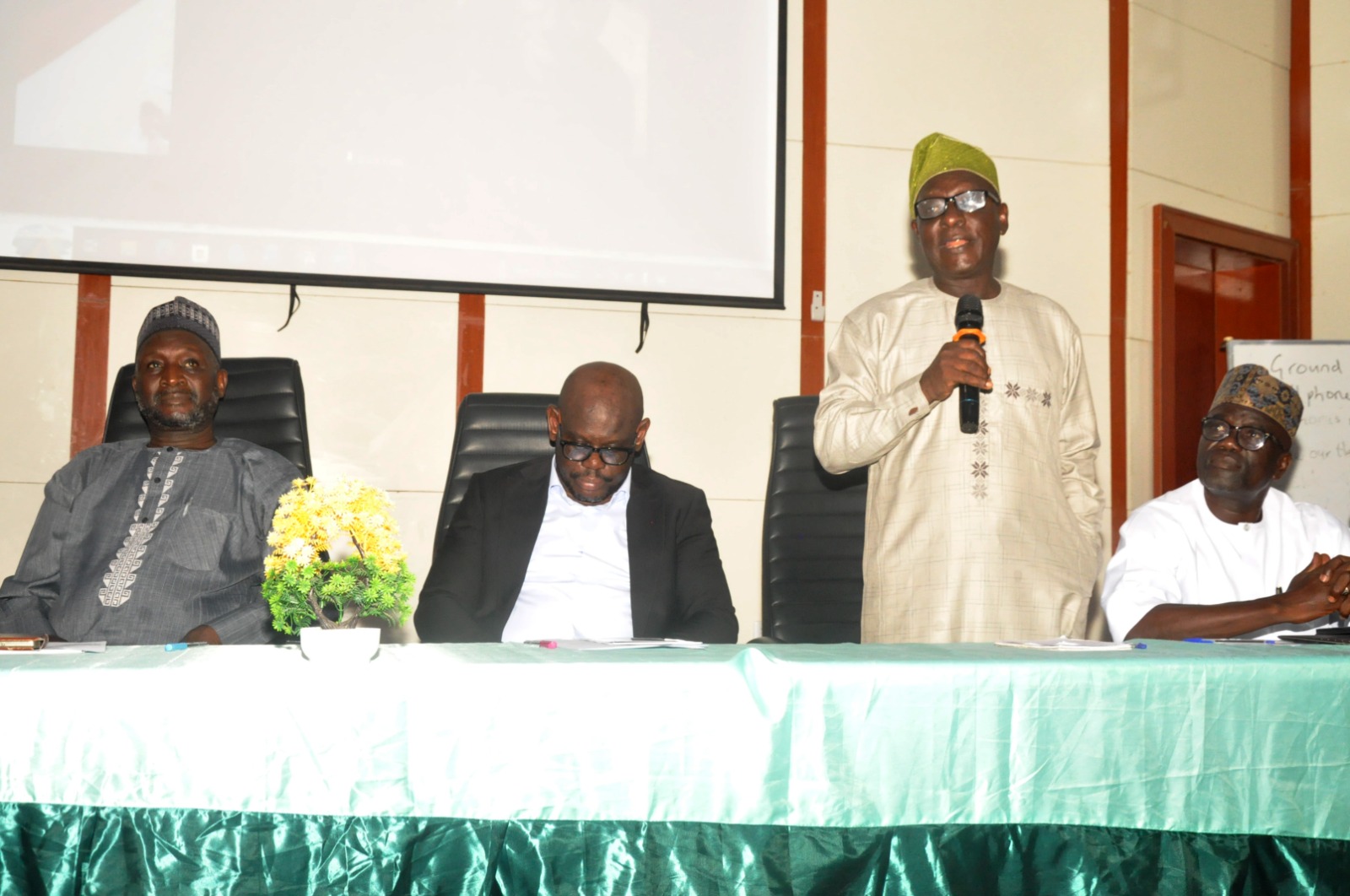
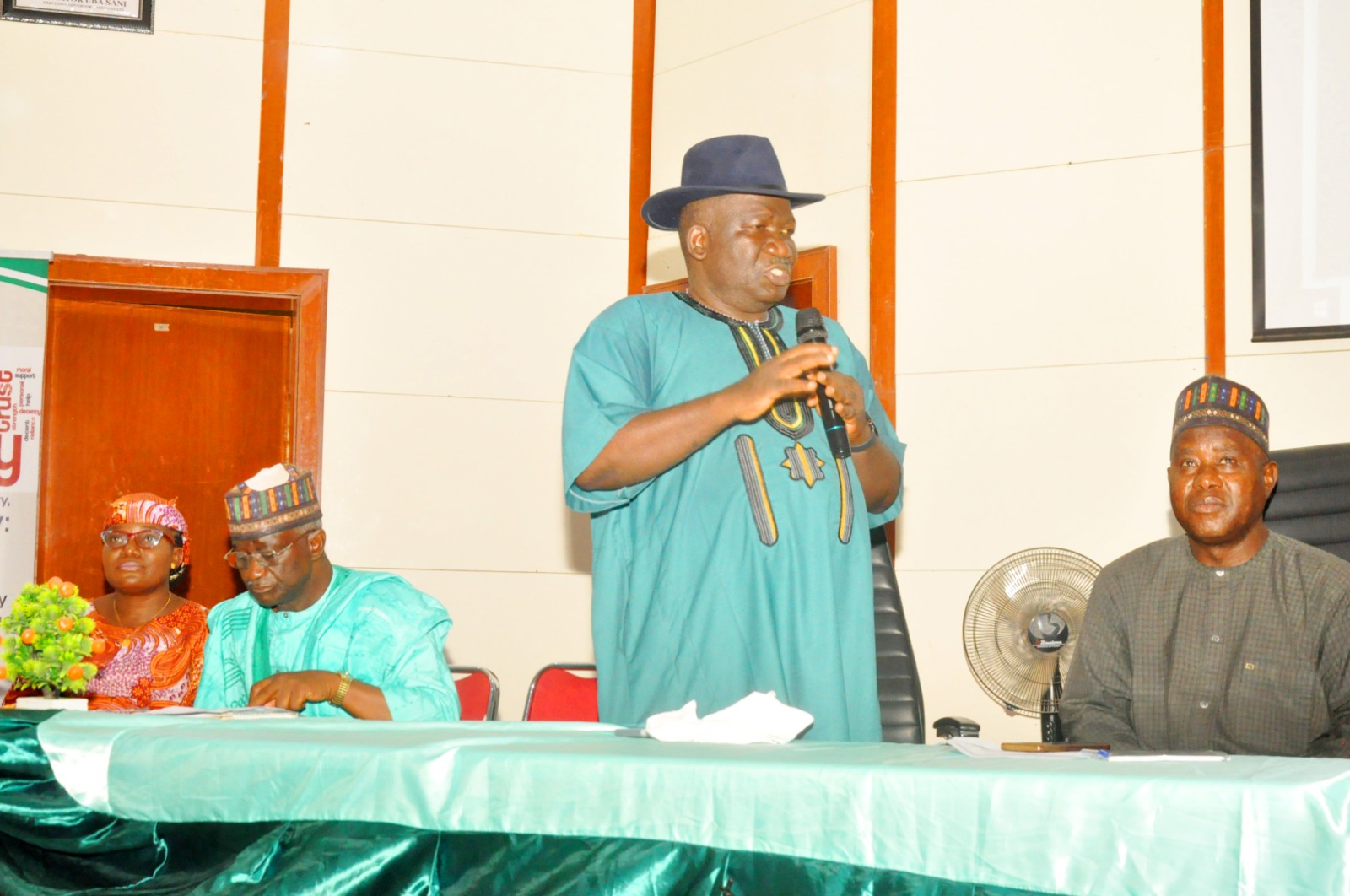
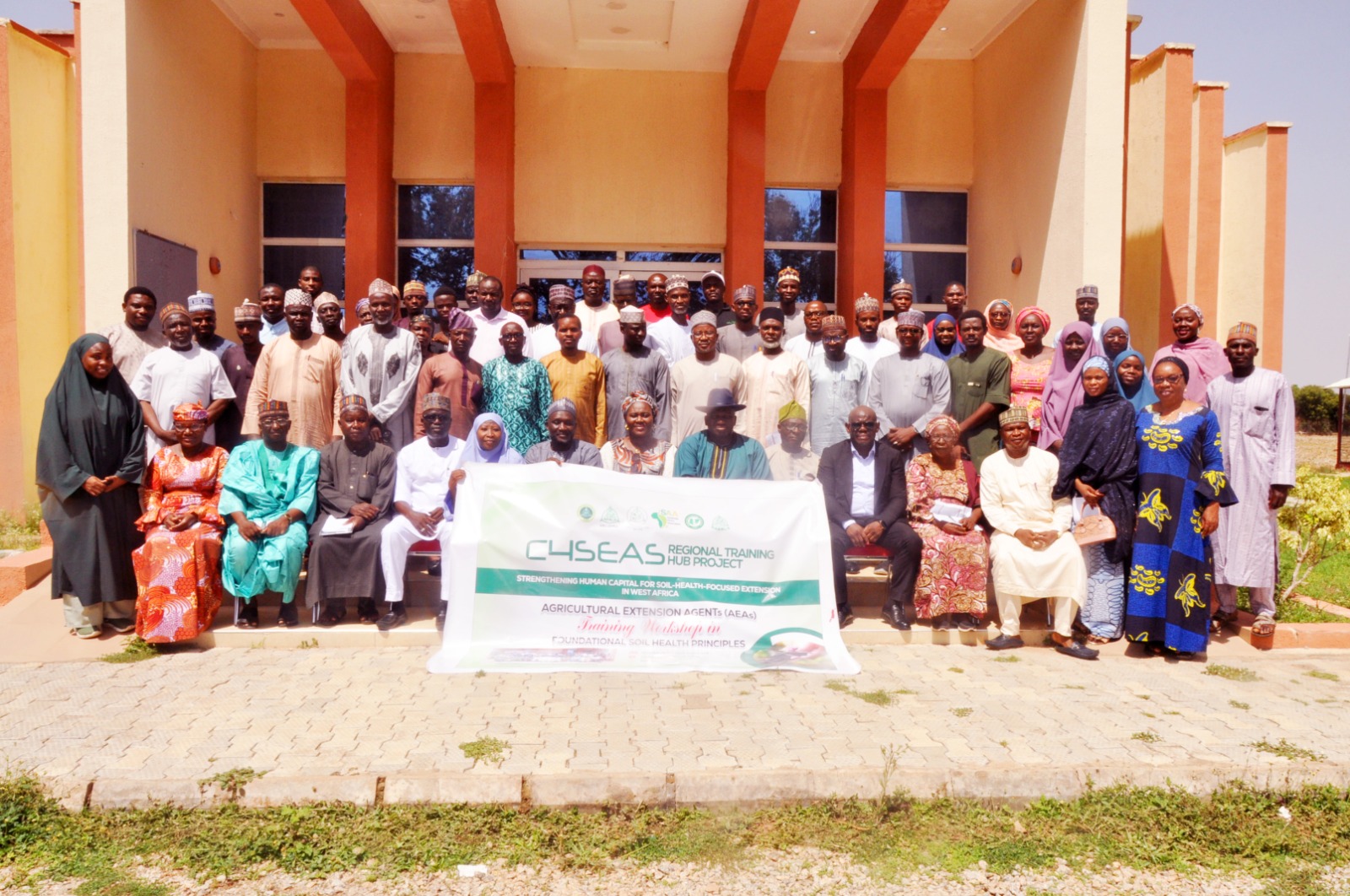
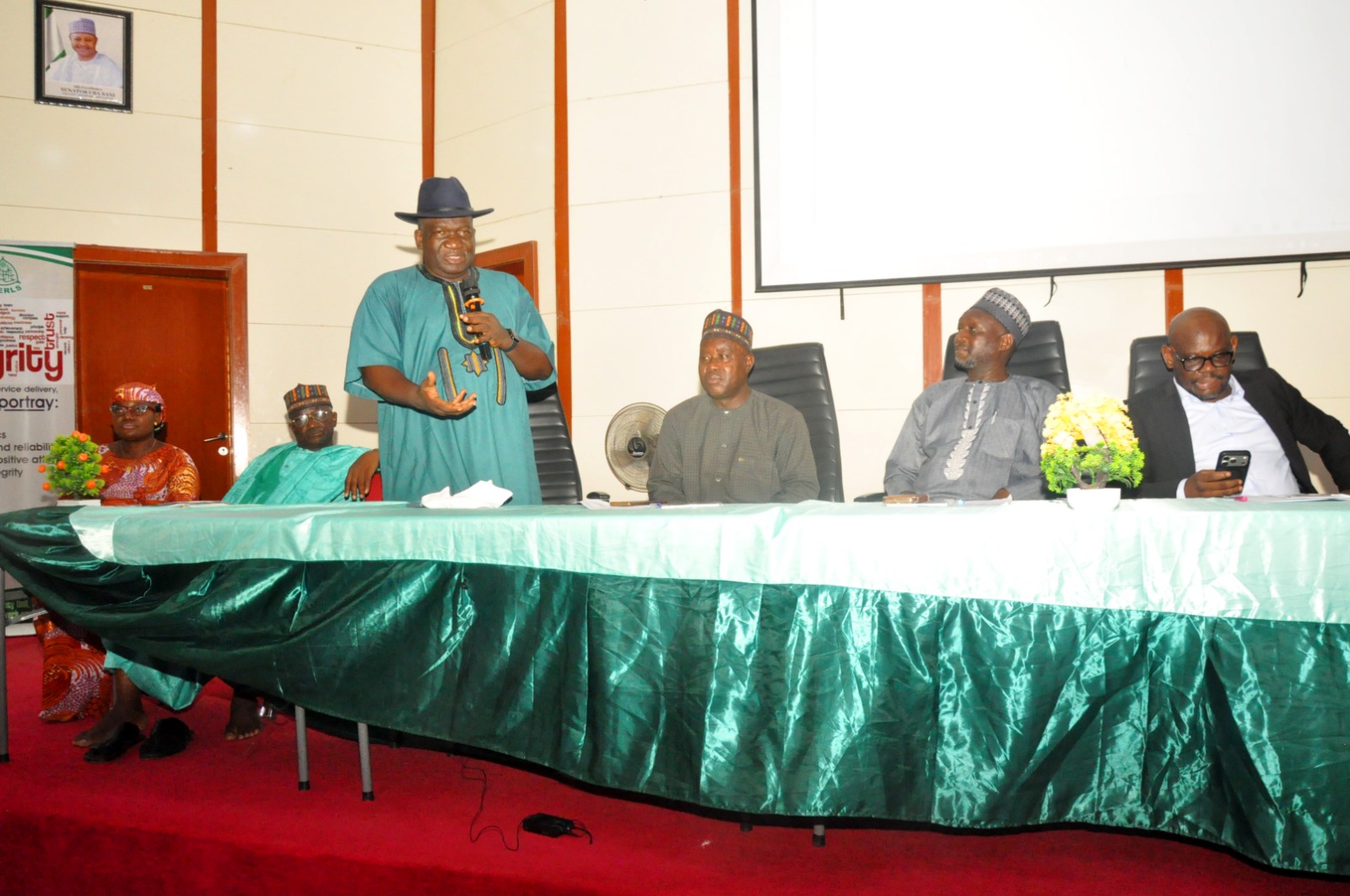
The Director noted that the workshop came at a critical time when the sustainability of agricultural production was increasingly dependent on how well people manage one of the most valuable natural resources, that is the soils.
According to Ahmad, across Africa, soil degradation, nutrient depletion, erosion, declining organic matter, and other forms of land degradation continued to threaten agricultural productivity, food security, and the livelihoods of millions of farming households.
He stressed that these challenges were further compounded by climate variability and increasing pressure on agricultural lands.
The Executive Director reiterated that healthy soils were the foundation of productive and resilient farming systems.
He said they support crop growth, improve water retention, enhance nutrient cycling, and contribute to climate resilience.
He affirmed that achieving healthy soils required not only sound scientific knowledge but also effective extension systems capable of translating research findings into practical solutions that farmers can adopt and sustain.
Ahmad said NAERLS as extension and advisory service provider, served as the vital link between research, innovation, and farming communities.
He further buttressed that through the training, participants will be equipped with foundational knowledge on soil health, practical tools for soil health assessment and decision-making, and effective approaches for communicating soil health information to farmers and other stakeholders.
Giving an overview of the C4SEAS Project, the Principal Investigator, Prof C K Daudu, explained that the workshop was designed to provide site-specific soil nutrient status information and actionable fertilizer recommendations for farmers agents in the Guinea and Sudan Zones, within Kaduna and Kano States.
Prof Daudu said it was designed for use by Agricultural Extension Agents (AEAs), Community-Based Advisors (CBAs), researchers and farmers operating within the same zone.
The Principal Investigator disclosed that the goal was also to build foundational capacity for scalable, soil-health-focused extension through curriculum reform, capacity building and evidence-based advisory tools.
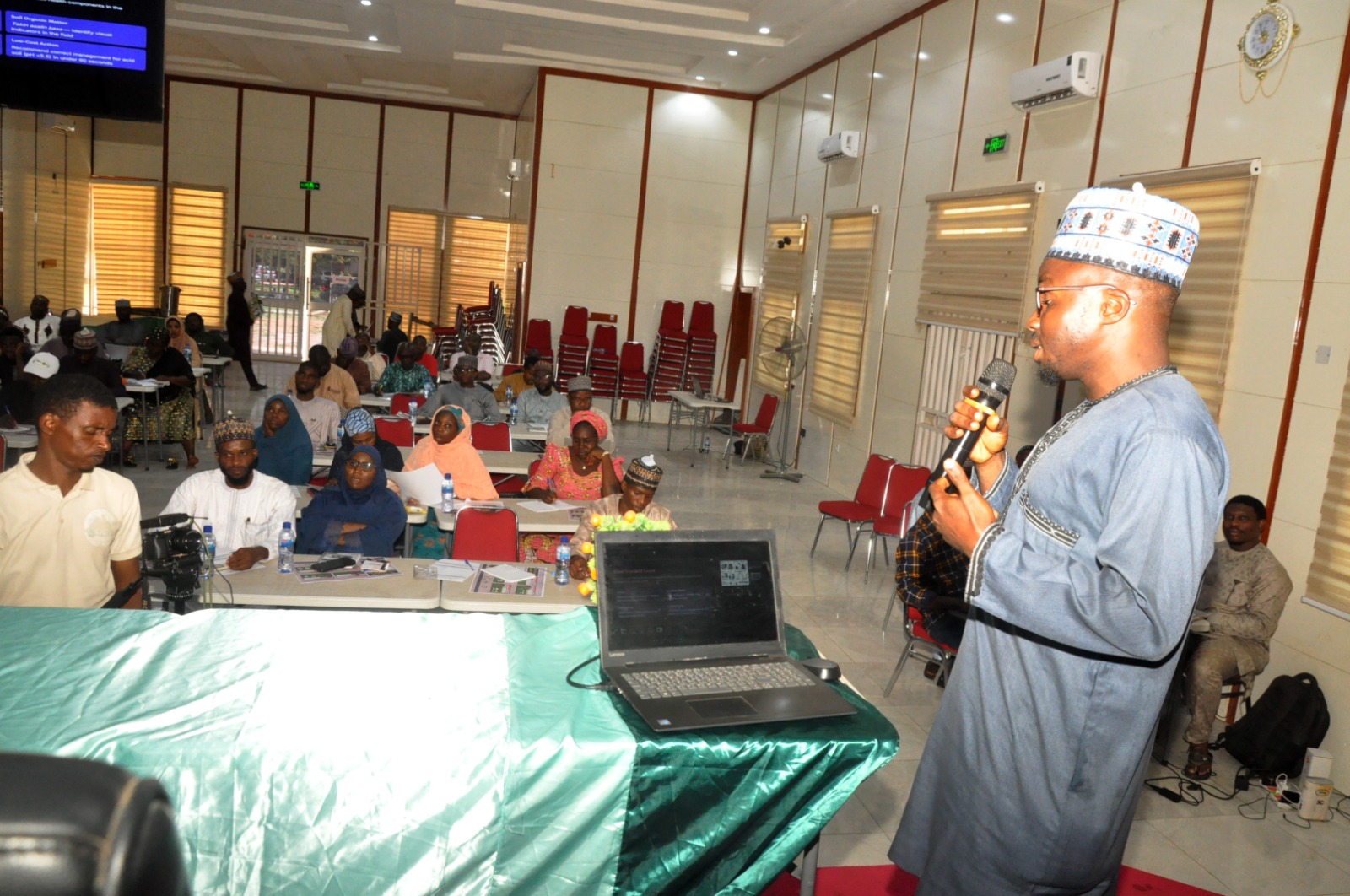
In a presentation, on soil components and properties, Prof I Y Amapu defined soils as mixtures of fragmented and partly or wholly weathered rocks, minerals, organic matter, water and air in greatly varying proportions and have more or less distinct layers or horizons.
Prof Amapu identified mineral component, organic component, water component and air component as the four major components of soil.
According to Amapu, regulation of water, sustaining plants and animals life and providing physical stability are some of the functions of a healthy soil.
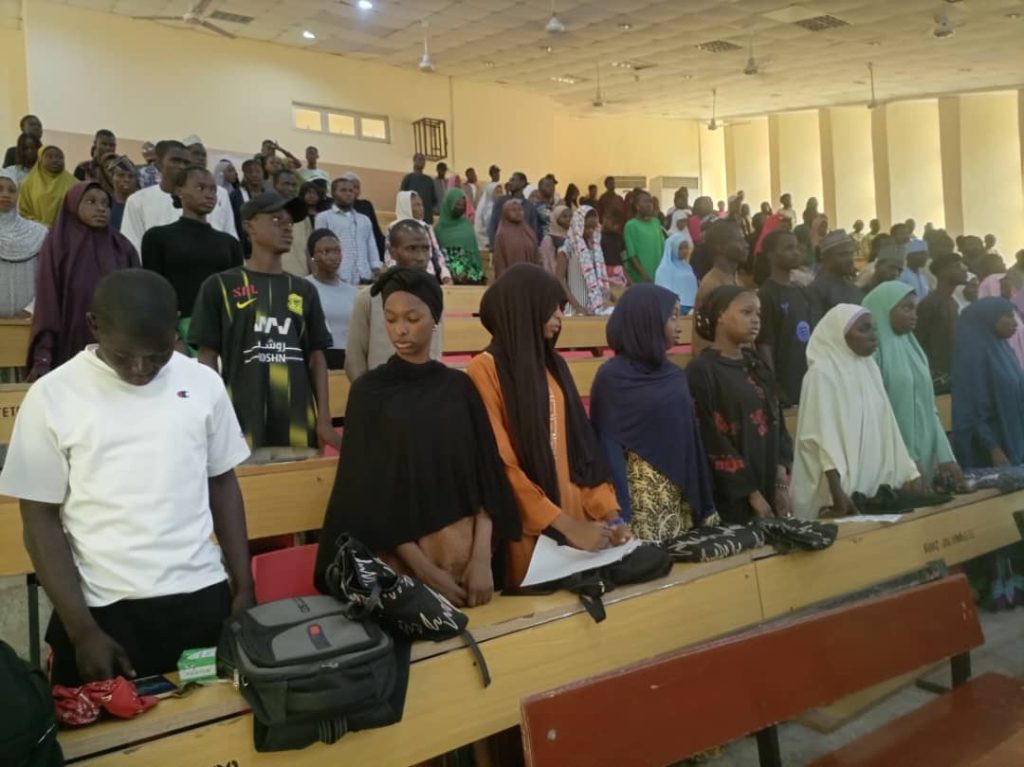
The workshop was attended by farmers, extension workers and agricultural stakeholders from Kaduna and Kano States.
……………………………………..
Public Affairs Directorate,
Office of the Vice-Chancellor,
Ahmadu Bello University,
Zaria (NEWS/AHW)
Thursday, 4th June, 2026