At ABU roundtable discussion, ex-BUK VC Prof Sagir Abbas explains how North can tackle out-of-school children crisis
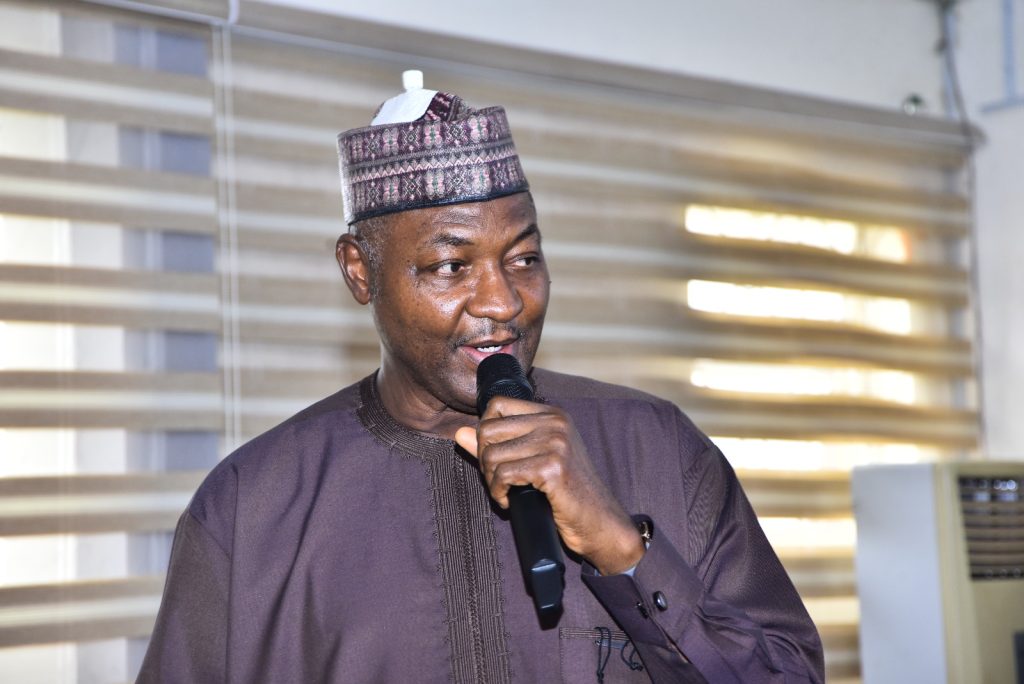
Former Vice-Chancellor, Bayero University, Kano (BUK), Prof Sagir Adamu Abbas, has taken a critical look at the crisis of out-of-school children in Northern Nigeria, contending that the challenge is both urgent and surmountable.
Abbas stressed that the lingering crisis calls for political courage, institutional innovation, and sustained financing.
He said it also calls for community ownership and commitment to the principle that evey child matters.
Prof Abbas was a one time Chairman of the Committee of Vice-Chancellors of Federal Universities.
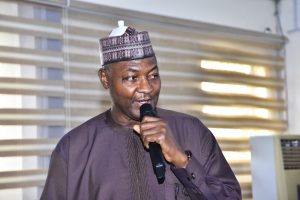
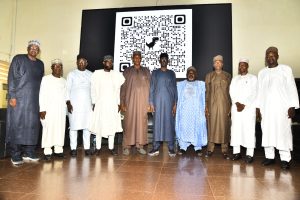
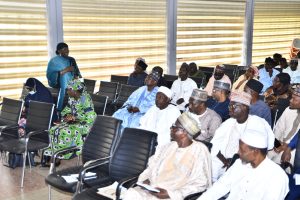
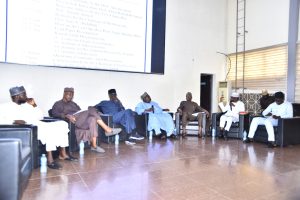
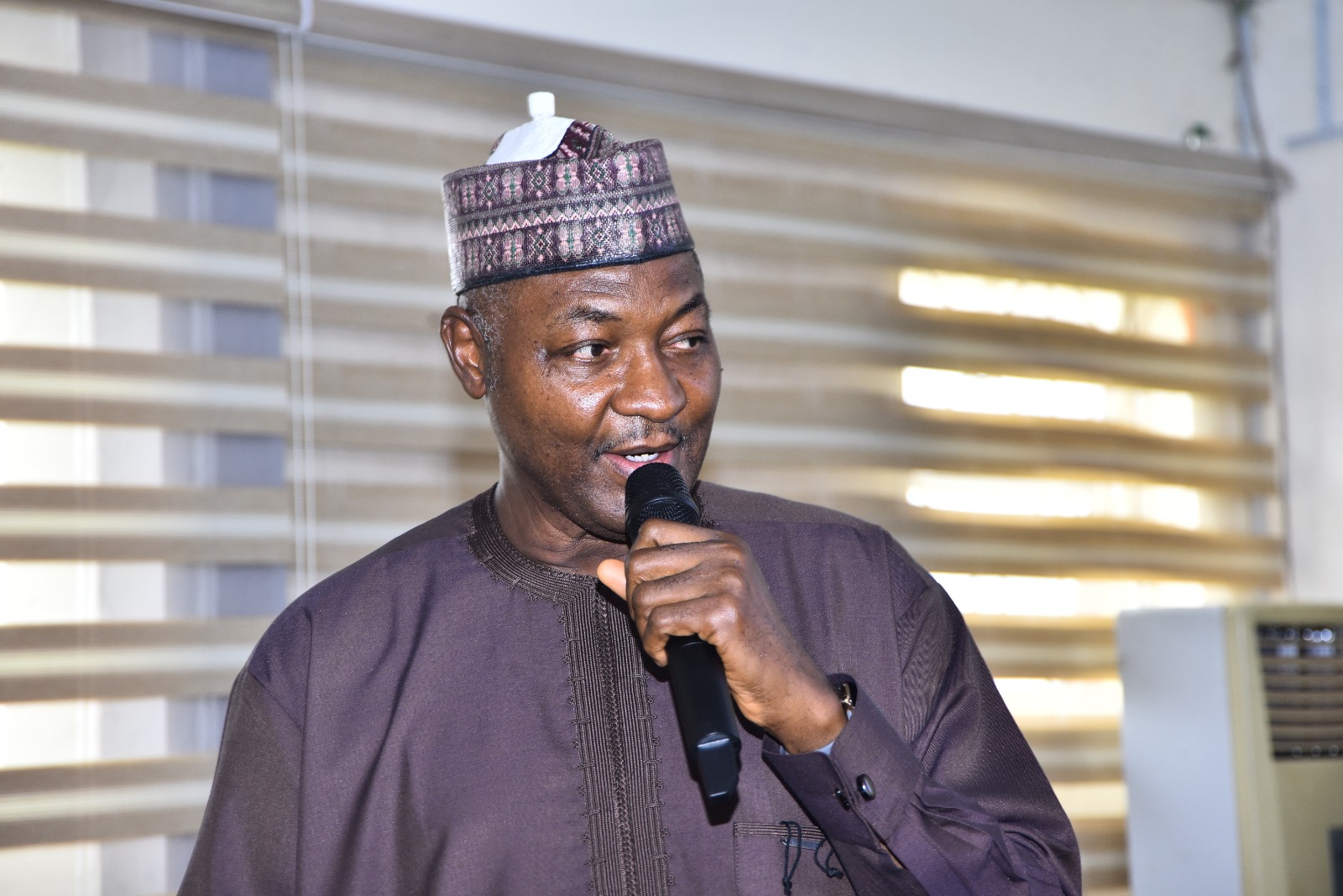
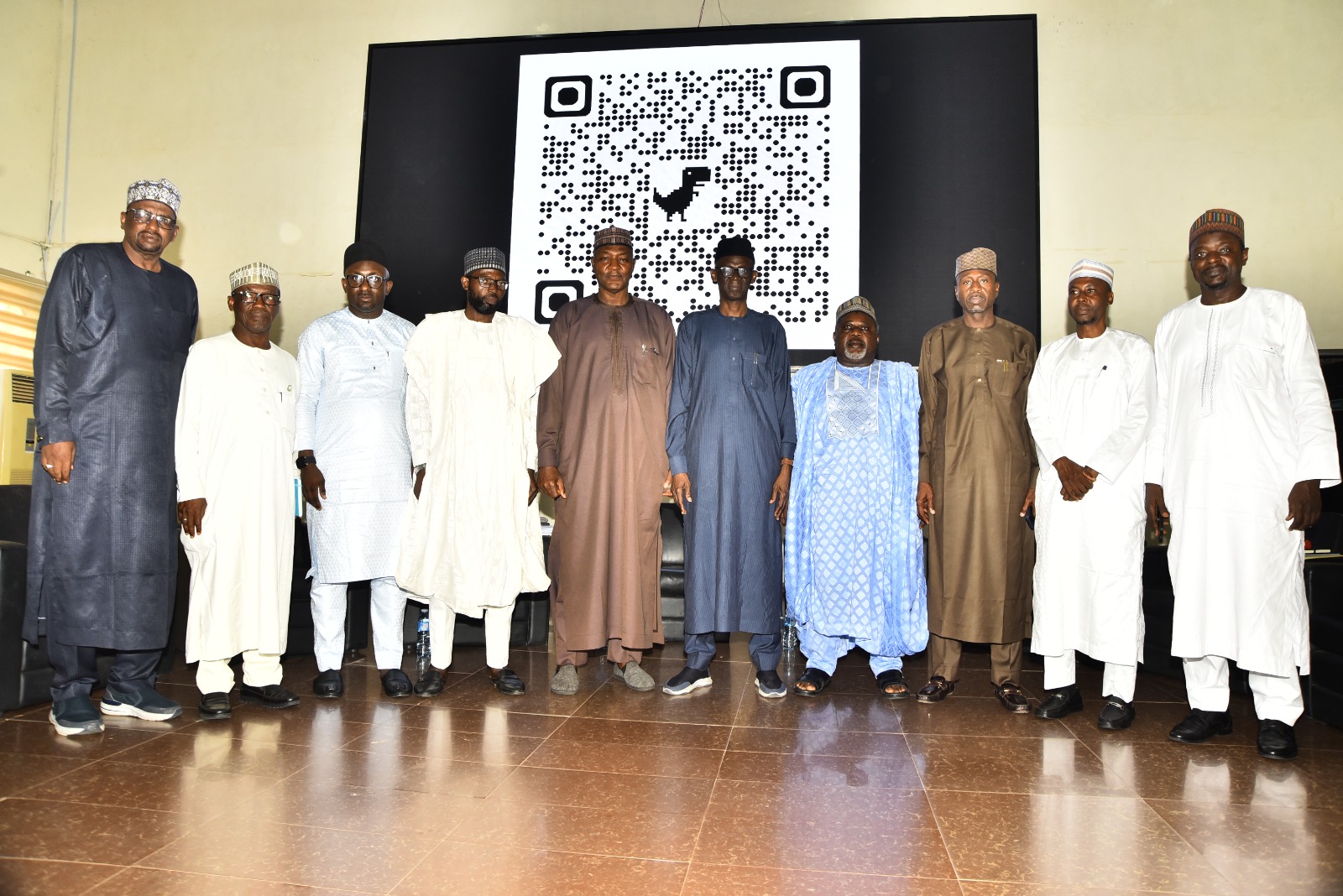
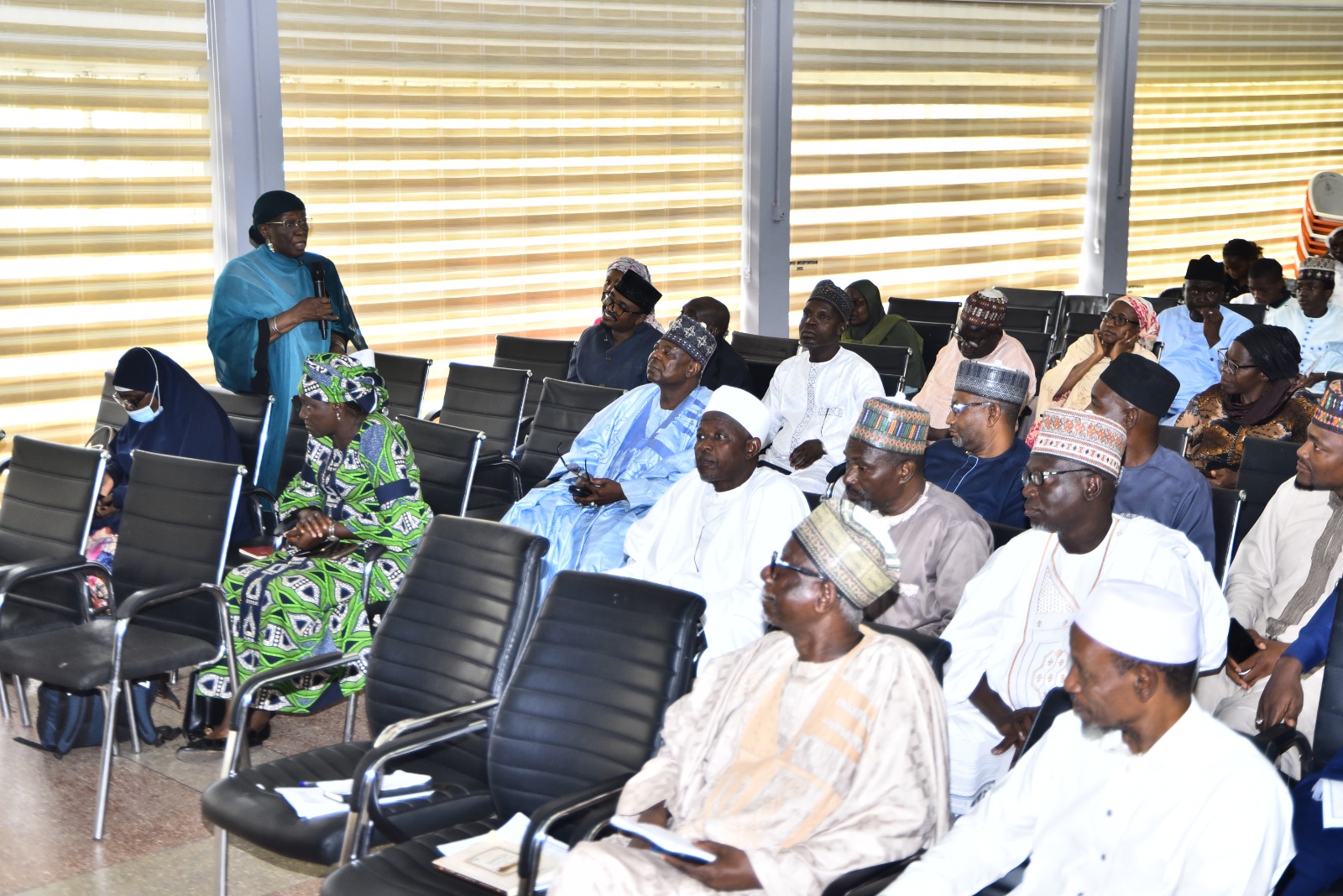
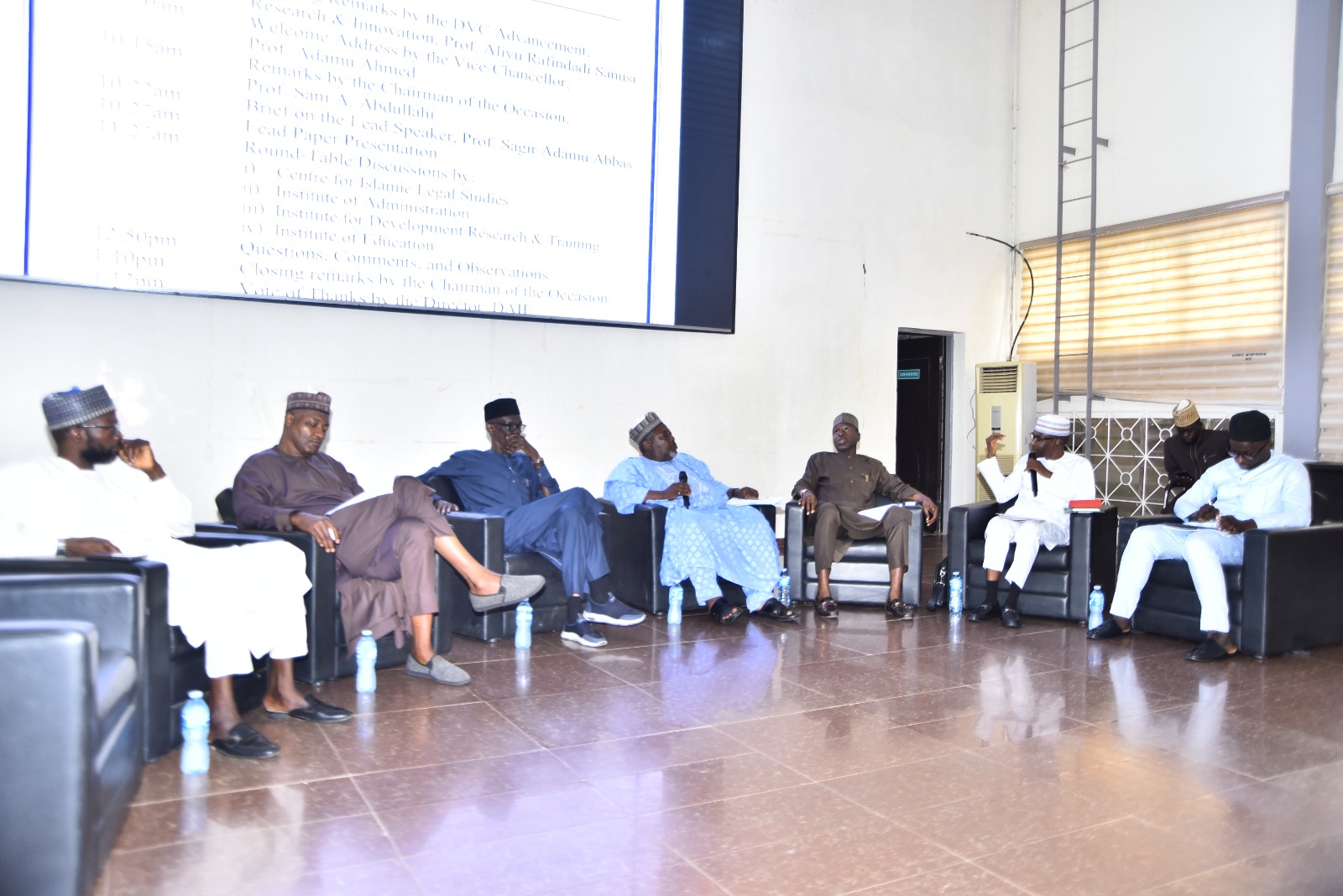
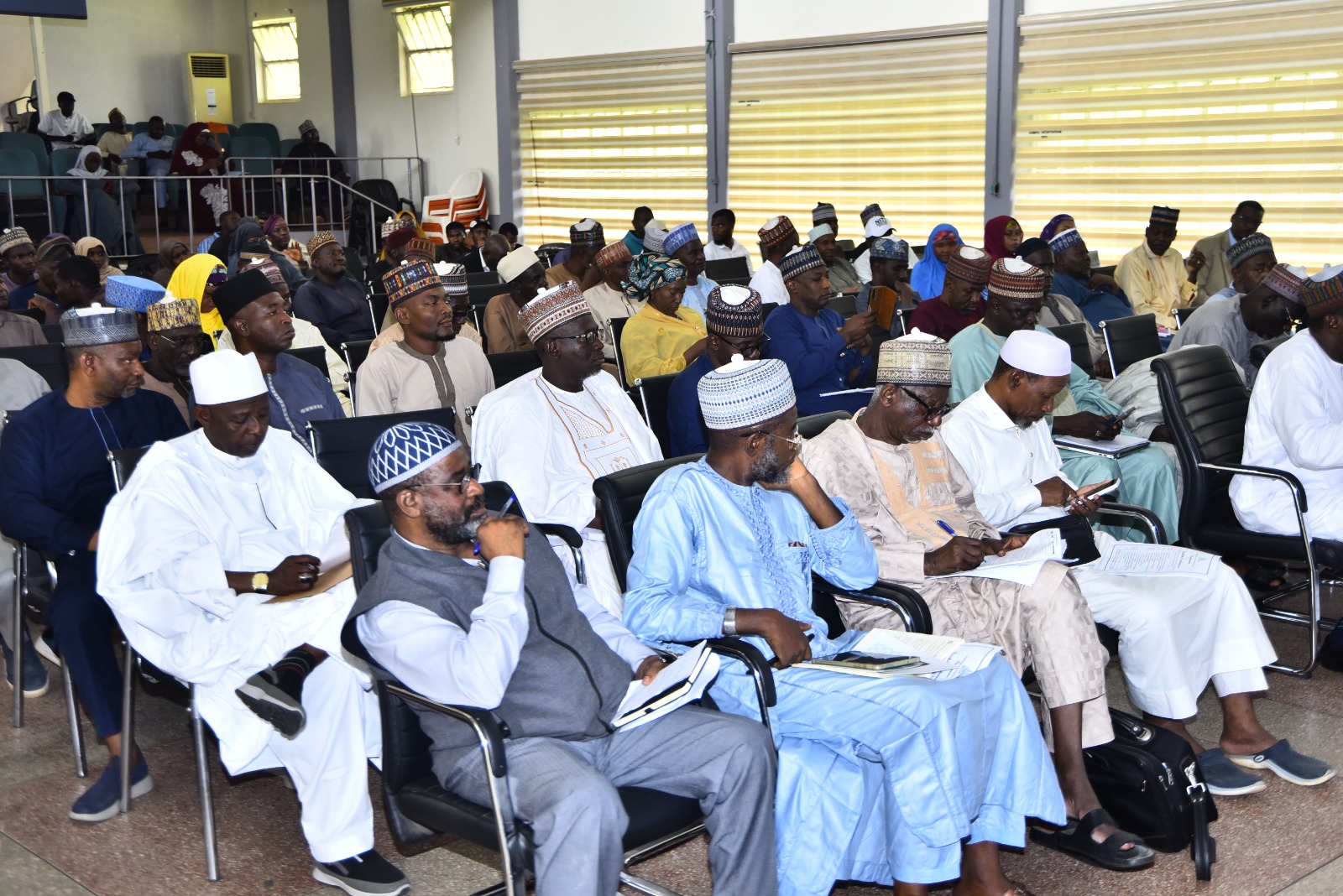
He spoke at a round-table conference organised by Ahmadu Bello University to address the challenge of out-of-school children in Northern Nigeria.
Abbas was the keynote speaker at the one-day event held at Yusufu Bala Usman Hall, ABU Main Campus, Samaru, Zaria on Thursday, 16th July, 2026.
His paper, ‘Out-of-School Children in Northern Nigeria: Understanding the Context, Rethinking the Challenge and Charting a Transformative Policy Agenda’, examined the context and drivers of educational exclusion in Northern Nigeria.
The paper also critically reassessed conventional approaches to the problem, explored lessons from comparative experiences, and proposed a policy framework.
He said the crisis can be tackled if governments, universities, traditional, and religious institutions, civil society organisations, development partners, and communities work together with a common purpose.
If this is achieved, he said, the North can reverse the tide of educational exclusion and become a model of inclusive human capital development.
According to him, the menace cannot be adequately understood through statistics alone.
He explained that figures showing that millions of children are outside the formal education system only convey the magnitude of the problem.
Abbas also said figures reveal little about the diverse circumstances, pathways, and structural conditions that produce educational exclusion.
He said a meaningful understanding requires moving beyond numerical estimates to examine the social, economic, cultural, institutional, and political realities that shape children’s educational experiences.
“It also requires recognising that the label ‘out-of-school child’ encompasses a heterogeneous population whose members face different barriers and therefore require different policy responses”, he said.
The challenge, he further said, was not merely to count the number of children outside school but to interrogate why existing interventions have fallen short to rethink prevailing assumptions.
Prof Abbas also said to describe Northern Nigeria simply as the epicenter of the out-of-school children crisis was to understate the complexity of the challenge.
According to him, the region is home to diverse communities with rich educational traditions, including centuries-old Islamic scholarship that has produced generation of learned men and women.
The persistence of educational exclusion must therefore not be interpreted as a rejection of learning but as evidence of the widening gap between traditional systems, modern state provision and the socioeconomic realities confronting many families, he said.
At the global level, according to him, UNESCO estimates that more than 250 million children and youth remain out of school, with Sub-Saharan Africa accounting for a disproportionate share of the population, he stated.
Sadly, he further said, about two-thirds of these children are concentrated in the North-West and North-East geopolitical zones.
He explained that recent UNICEF data indicate that approximately 10.2 million children of primary school age and an additional 8.1 million of junior secondary school age are out of school.
This brings the national figure to over 18 million, making Nigeria one of the countries with the largest out-of-school children population, he further said.
Prof Abbas said Nigeria occupies a particularly troubling position within the landscape.
Abbas, presently on sabbatical at Ahmadu Bello University, also spoke on the typologies of the out-of-school children in Nigeria.
He said one of the major weaknesses of public discourse and policy interventions on the crisis in Nigeria has been the tendency to treat all excluded children as though they constituted a single, homogenous group.
Abbas stated that such an approach often results in one-size-fits-all interventions that fail to address the specific barriers confronting different populations.
“In reality, educational exclusion in Northern Nigeria is multidimensional, reflecting a complex interplay of economic deprivation, conflict, mobility patterns, disability, gender norms and institutional shortcomings”, he said.
The erstwhile Vice-Chancellor listed eight types of out-of-school children.
They include children who have never enrolled in school, school dropouts as well as Almajirai and other pupils in traditional Quranic schools who remain outside integrated educational frameworks.
Others are nomadic and pastoralist children, internally displaced children, and children living with disabilities.
They also include girls excluded from education through gender-related constraints as well as working children engaged in street hawking, domestic service, artisanal labour and other income generating activities.
He said the challenge before the policy makers is not merely to reduce the numbers but to develop differentiated, context-sensitive strategies that respond to the specific circumstances of each category of excluded child.
Finally, he contended that only through such an approach Northern Nigeria can move from fragmented interventions to genuinely inclusive educational transformation.
……………………………………
Public Affairs Directorate,
Office of the Vice-Chancellor,
Ahmadu Bello University,
Zaria (NEWS/NAM/SGB&PIC/TKU)
Sunday, 19th July, 2026