Two c’ttes on research commercialisation, fire safety raised by ABU turn in findings
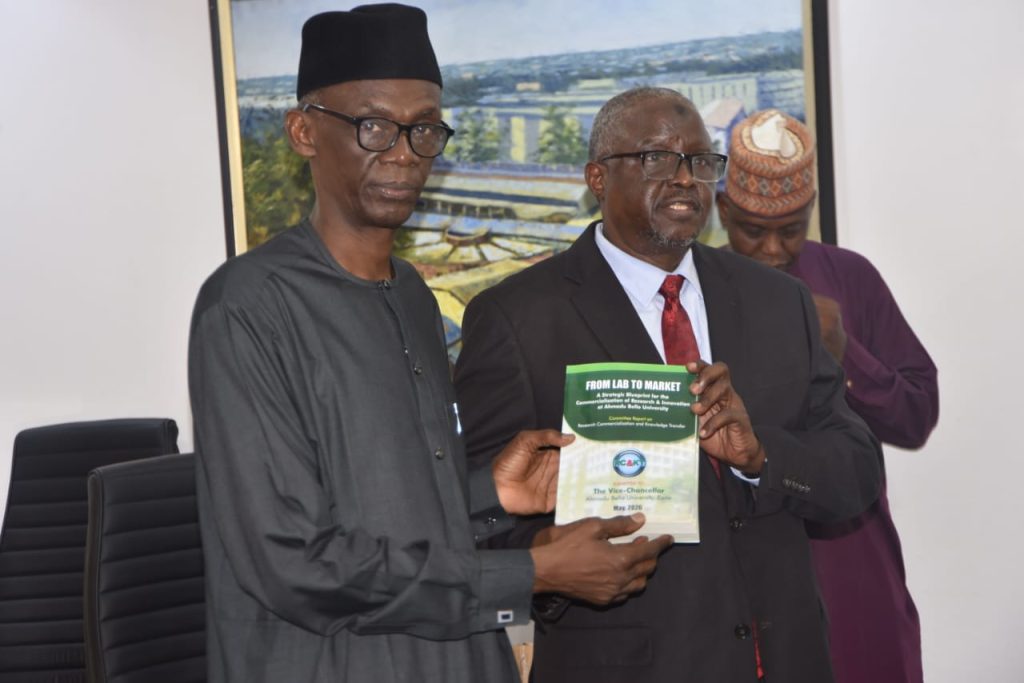
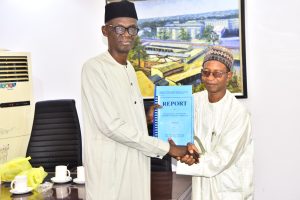
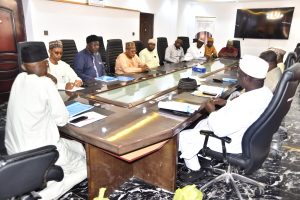
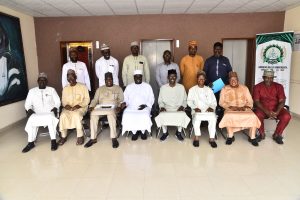
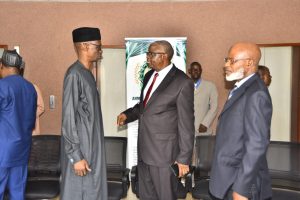
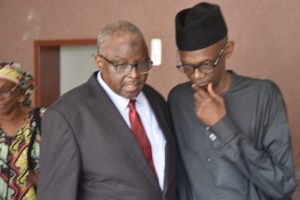
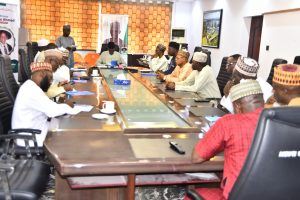
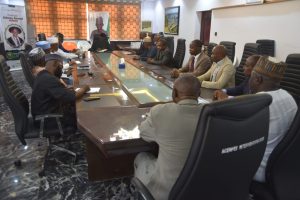
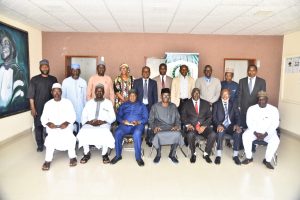
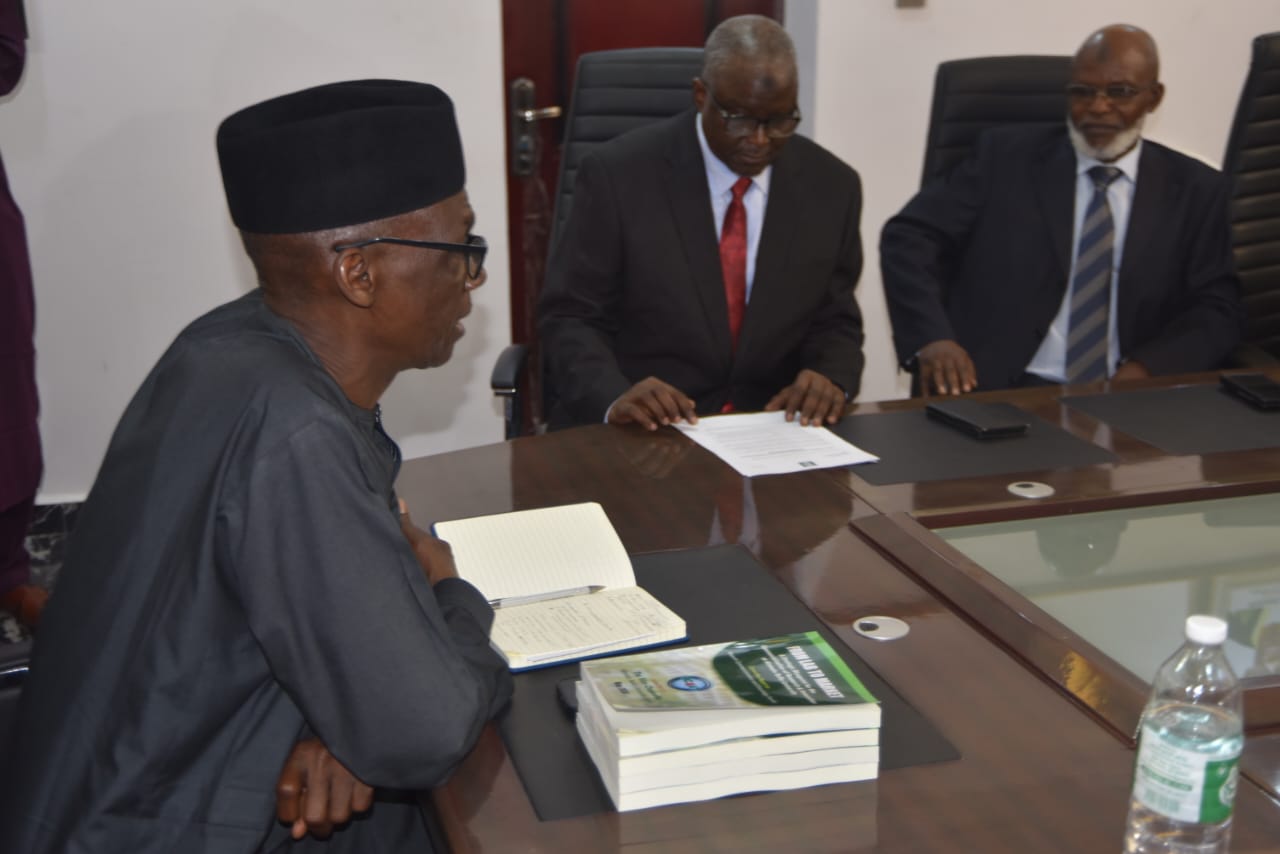
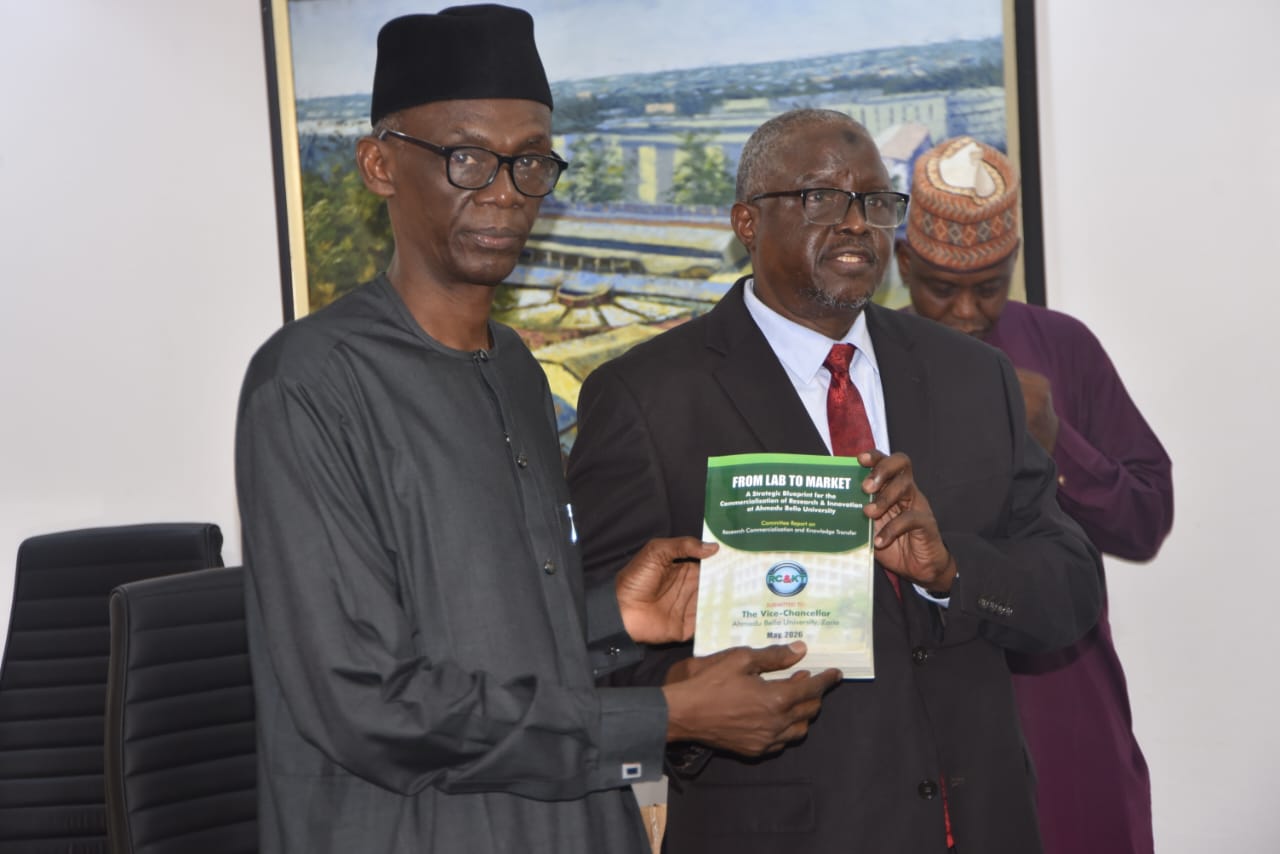
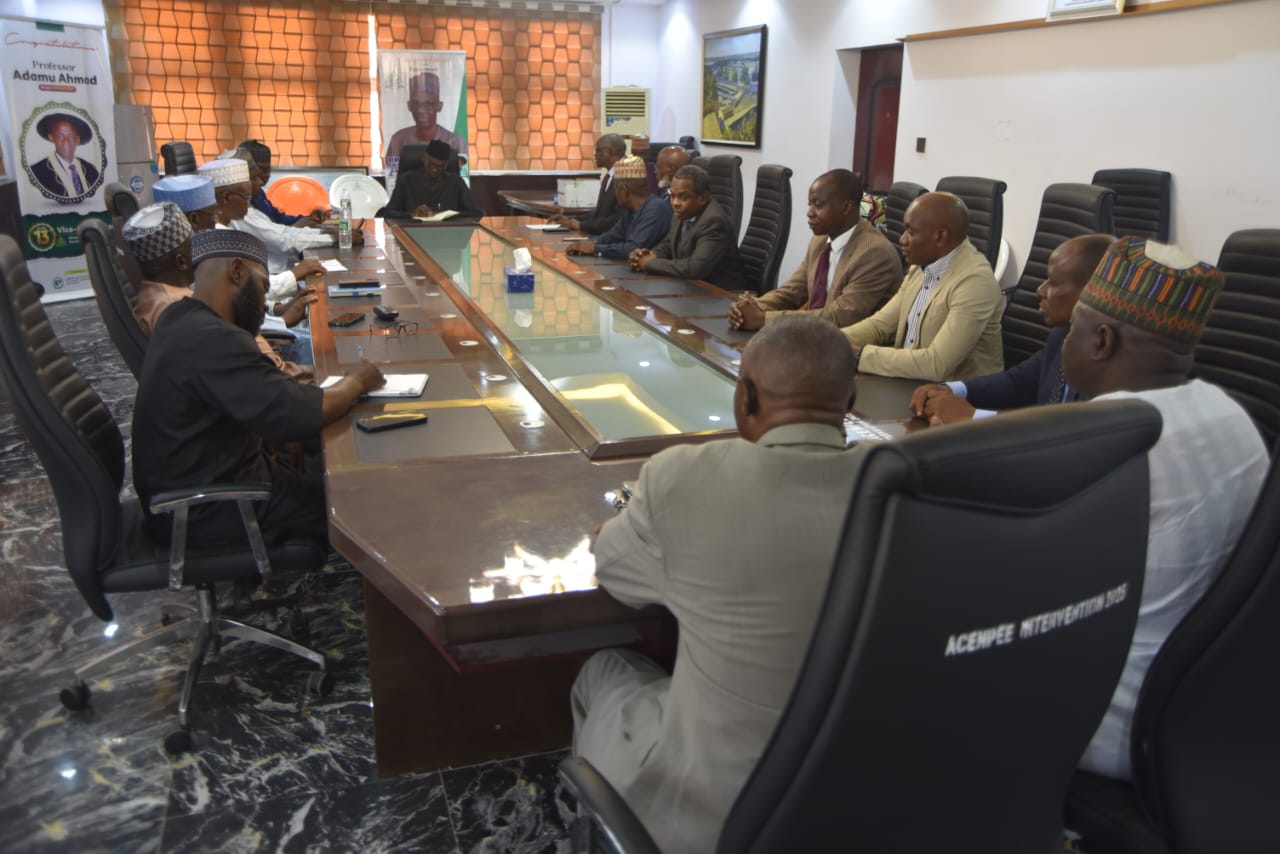
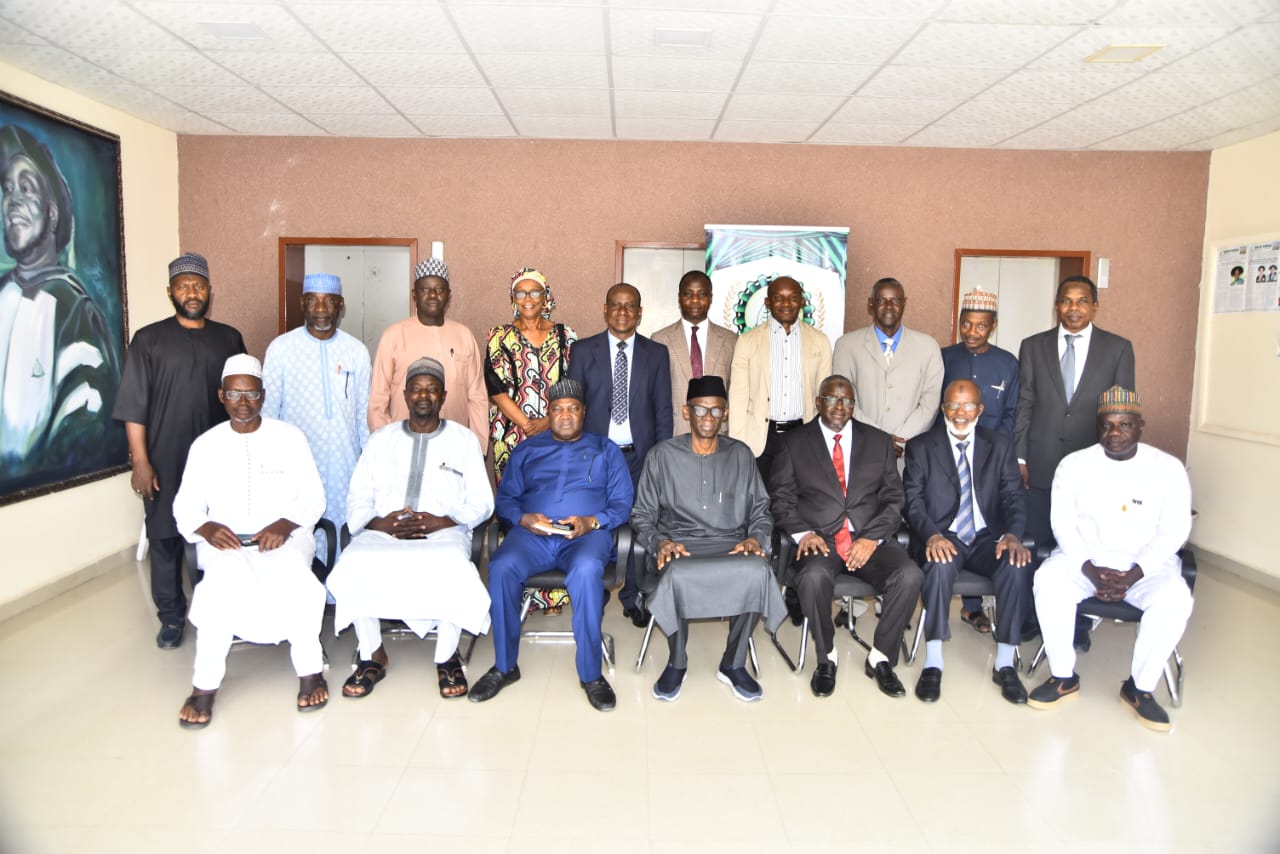
The Committee on Research Commercialisation and Knowledge Transfer constituted by Ahmadu Bello University has submitted its report to the university management.
Similarly, another Committee on Fire Safety and Disaster Preparedness equally raised by the university turned in its findings and recommendations to the management.
The Committee on Research Commercialisation and Knowledge Transfer presented a radical, yet entirely executable, solutions.
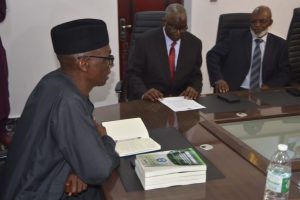
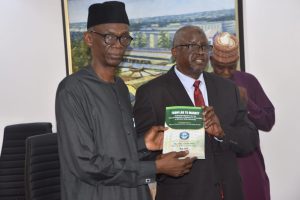
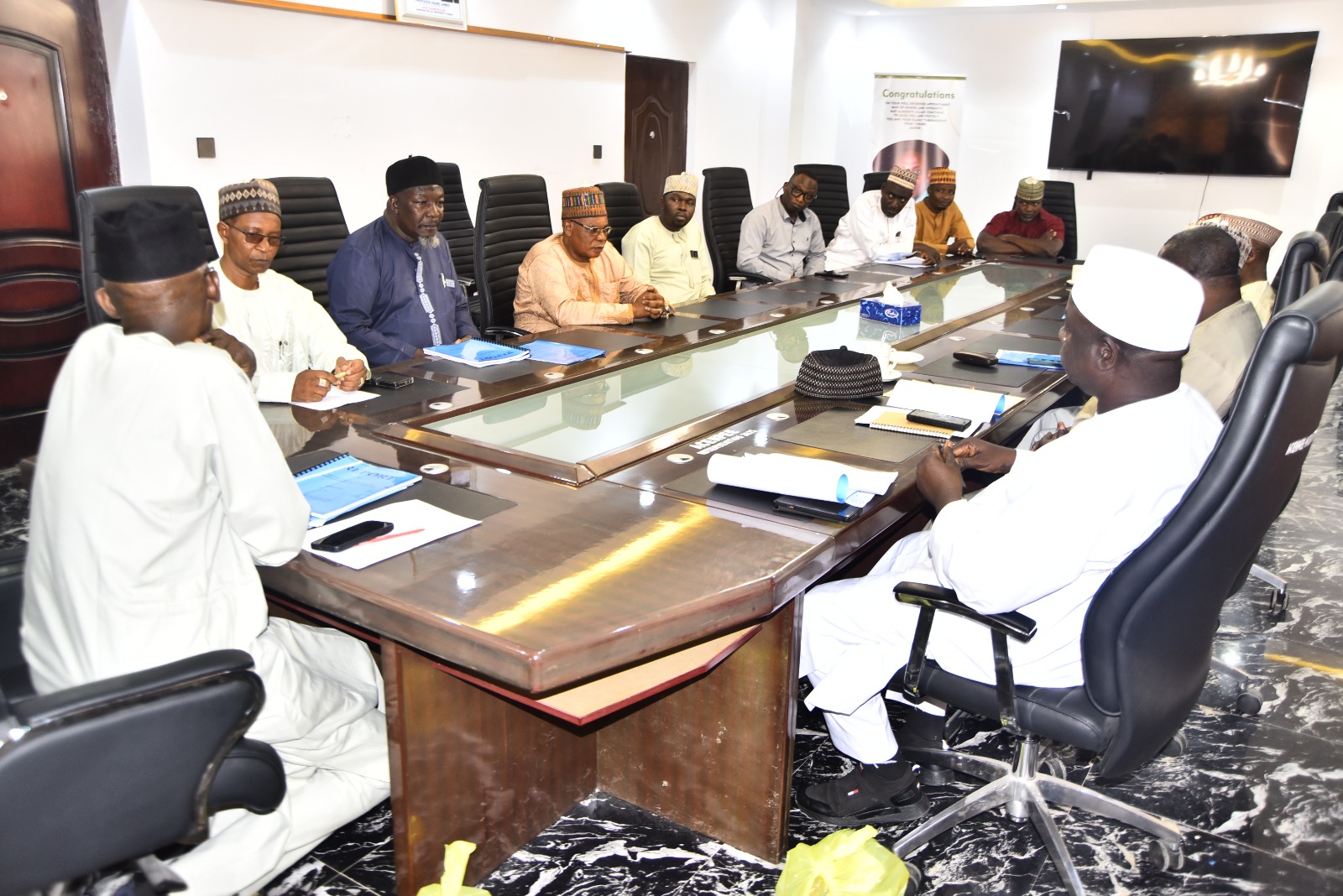
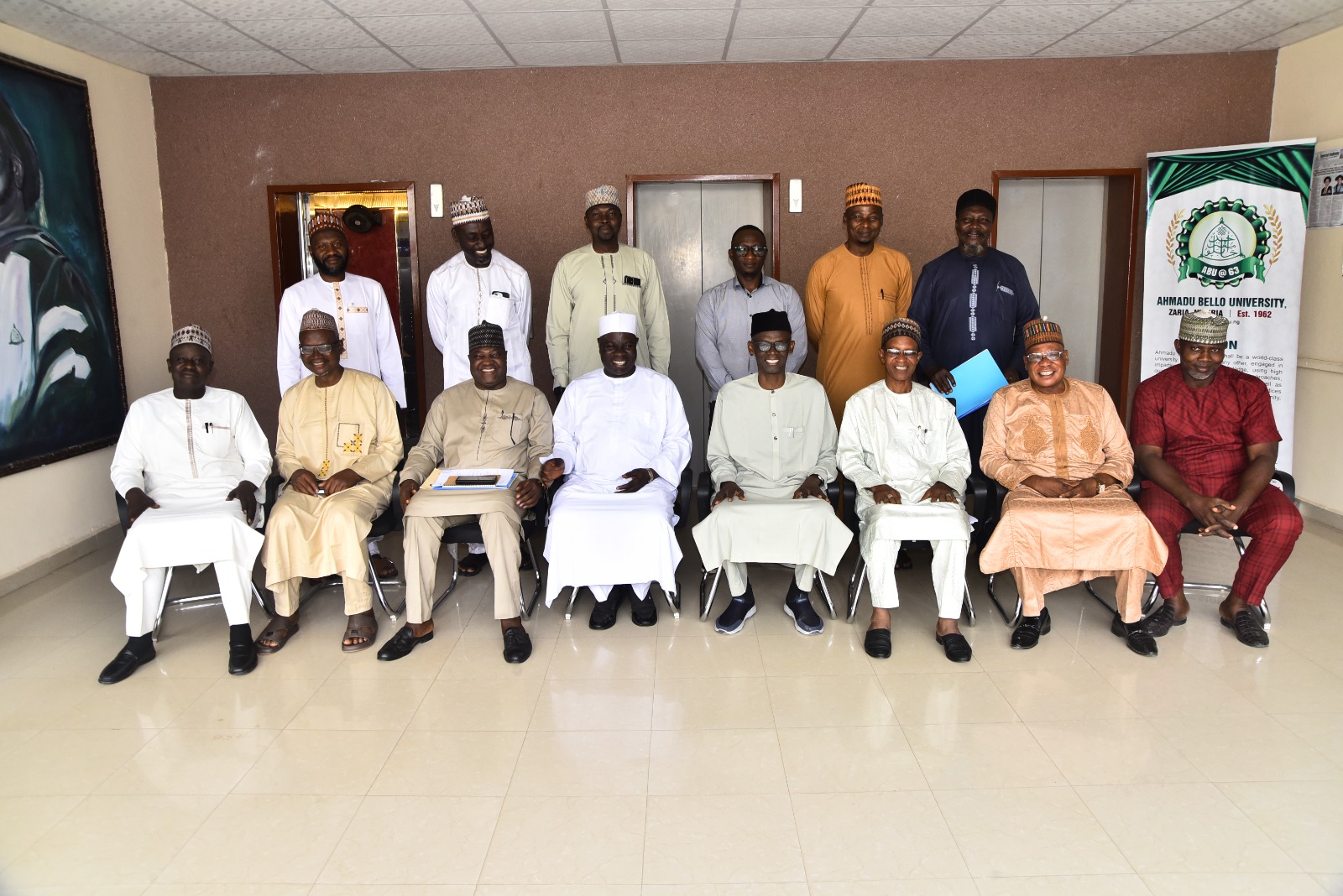
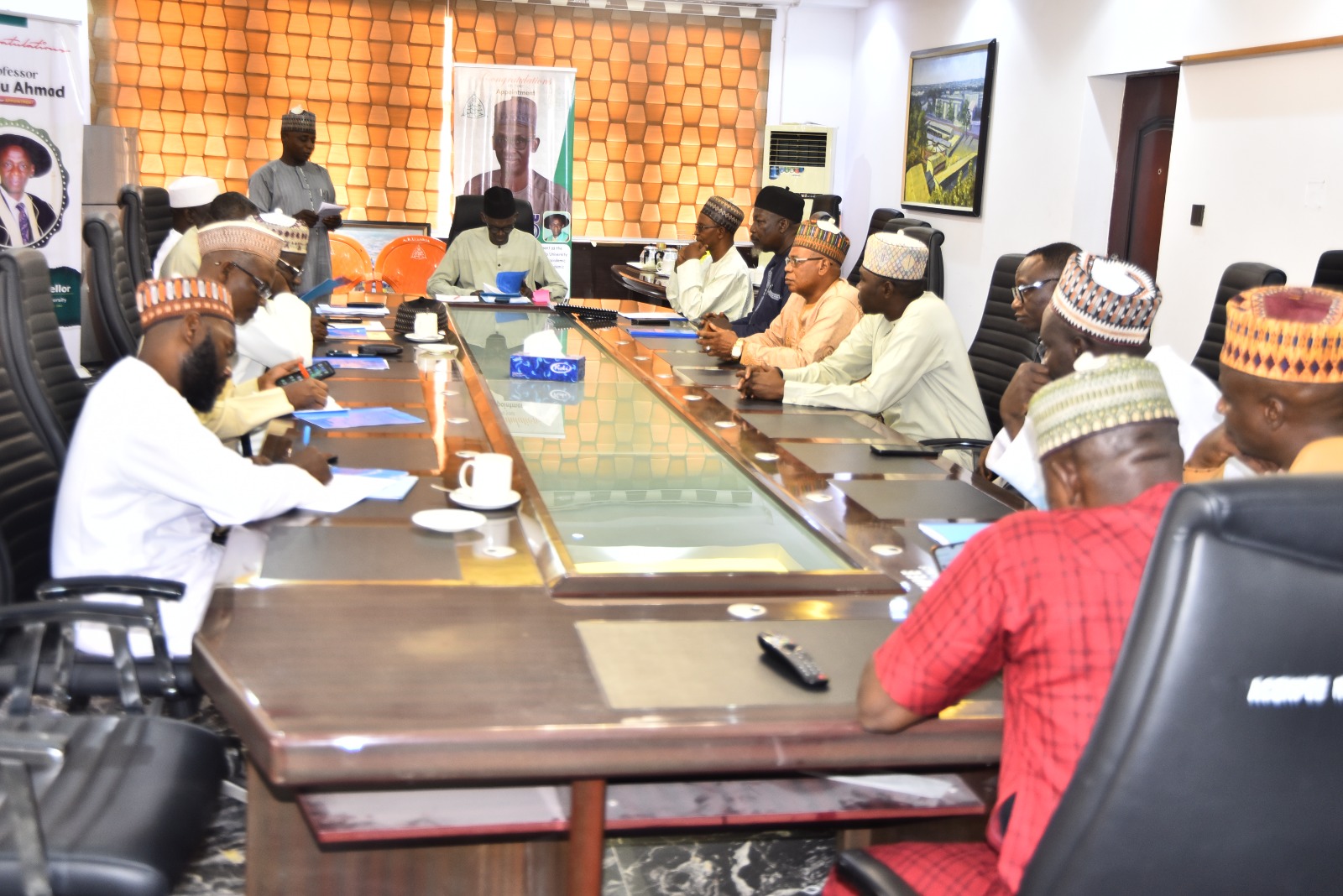
Presenting a 340-page report, the Chairman of the committee, Prof Mohammed Ishiyaku Faguji, said they proposed a hybrid structure that seperated policy enforcement from commercial execution.
The model, according to the committee, had been successfully deployed at Stellenbosch University in South Africa, the University of Lagos, MIT, and Cambridge.
The committee chair also said it should be understood that ABU is not building a government department but a corporate entity that happens to be owned by the university.
Prof Faguji, who observed that the university is sitting on a goldmine of dormant intellectual property, further said this should be the foundational principle that will determine success or otherwise.
Faguji, a professor of plant science and former Director of the Institute for Agricultural Research (IAR), noted that ABU operates as a cost centre when it should function as a profit centre.
“We have world-class researchers producing groundbreaking innovations, but no commercial vehicle to convert research outputs into revenue, patents, licenses, or spin-off companies.
“Our innovations remain trapped in laboratory notebooks and thesis archives, generating academic citations but zero economic impact”, he lamented.
He was delighted to point out that over the decade ABU research institutes, particularly IAR and NAPRI have produced world-class innovations.
Such innovations include high-yield cowpea and maize varieties resistant to drought and pests, veterinary vaccine, livestock feeds formulations, post-harvest processing equipment, and agricultural machinery prototypes, he said.
According to him, such innovations address critical challenges in Nigerian agriculture and have the potential to generate hundreds of millions of Naira in economic value.
In carrying out the assignment, Faguji said the committee conducted a university-wide digital audit, receiving a total of 94 unique submissions from faculties, institutes, and centres.
He said through rigorous verification using the technology readiness level (TRL) triage protocol, the committee also identified 31 market-ready (basket A) assets with a conservative commercial value of N500 million to N2 billion over a 5 – year horizon.
“This represents a 35 percent increase in our initial estimate of 23 assets, confirming that ABU innovation output has been systematically undervalued”, he further stressed.
Among many others, the committee recommended that the university should present a resolution to its Senate to resolve the conflict between the research policy and and the intellectual property policy regarding revenue distribution from commercialisation.
This is on account that it is the single most critical enabler, as without legal clarity on revenue sharing no rational researcher will disclose innovation, according to the committee.
Prof faguji expressed gratitude to the Vice-Chancellor for the confidence in selecting them to carry out the assignment.
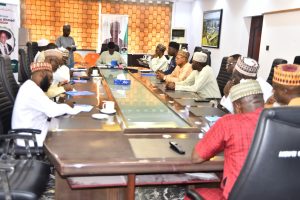
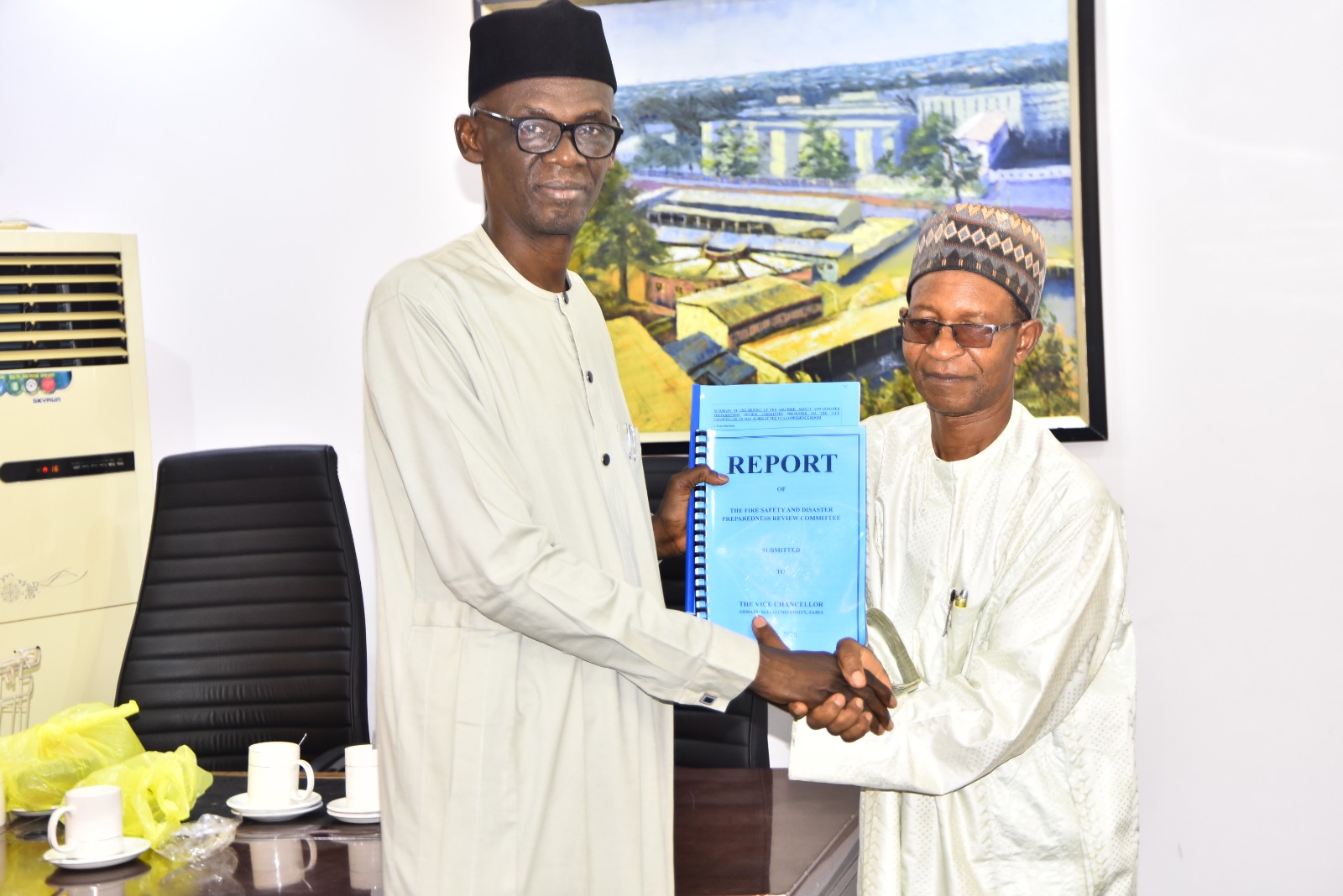
In the same vein, the Committee on Fire Safety and Disaster Preparedness submitted its report to the university management.
Presenting the report, the Chairman of the committee, Prof I. A. Mohammed-Dabo, recommended for the procurement of additional firefighting truck and a water tanker.
The committee also said it was necessary for the university fire service department to always alert the university Bulking Metering Unit and University Health Services whenever a fire disaster incident call was received.
It further suggested that the bulk metering unit should, from time to time, carry out integrity assessment of all the university electrical systems.
The committee chair stressed that muster points should be provided at strategic locations in addition to initiating effective disaster coordination.
The committee also recommended that escape/exit routes should be made functional in the university buildings and that a university standing committee on fire safety and disaster preparedness should be raised.
It further recommended that all existing water hydrant chambers should be rehabilitated and new ones provided for Phase II.
Mohammed-Dabo, a former Dean of Engineering and a chemical engineer, appreciated the Vice-Chancellor immensely for identifying them to handle the task.
He expressed hope that the university would find the report useful in addressing the incidents of fire outbreak.
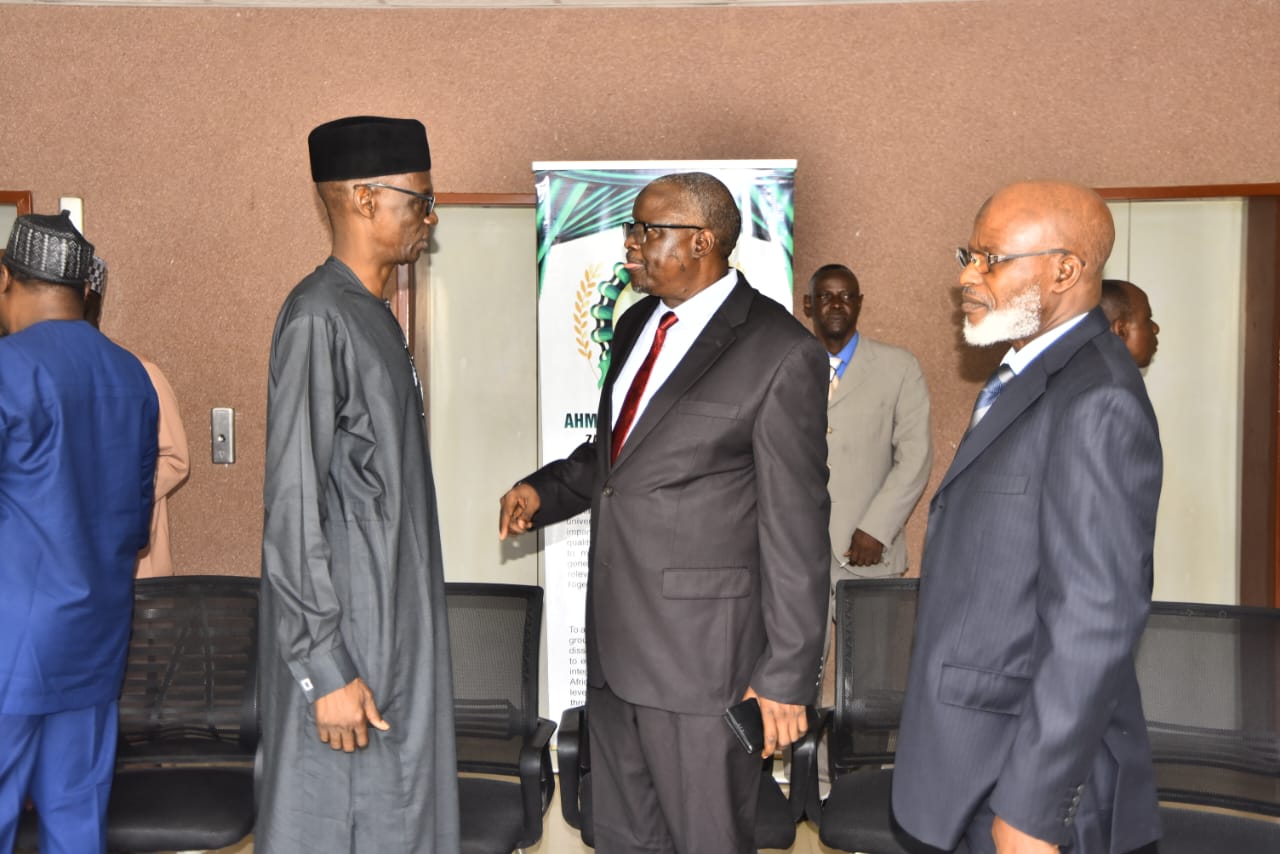
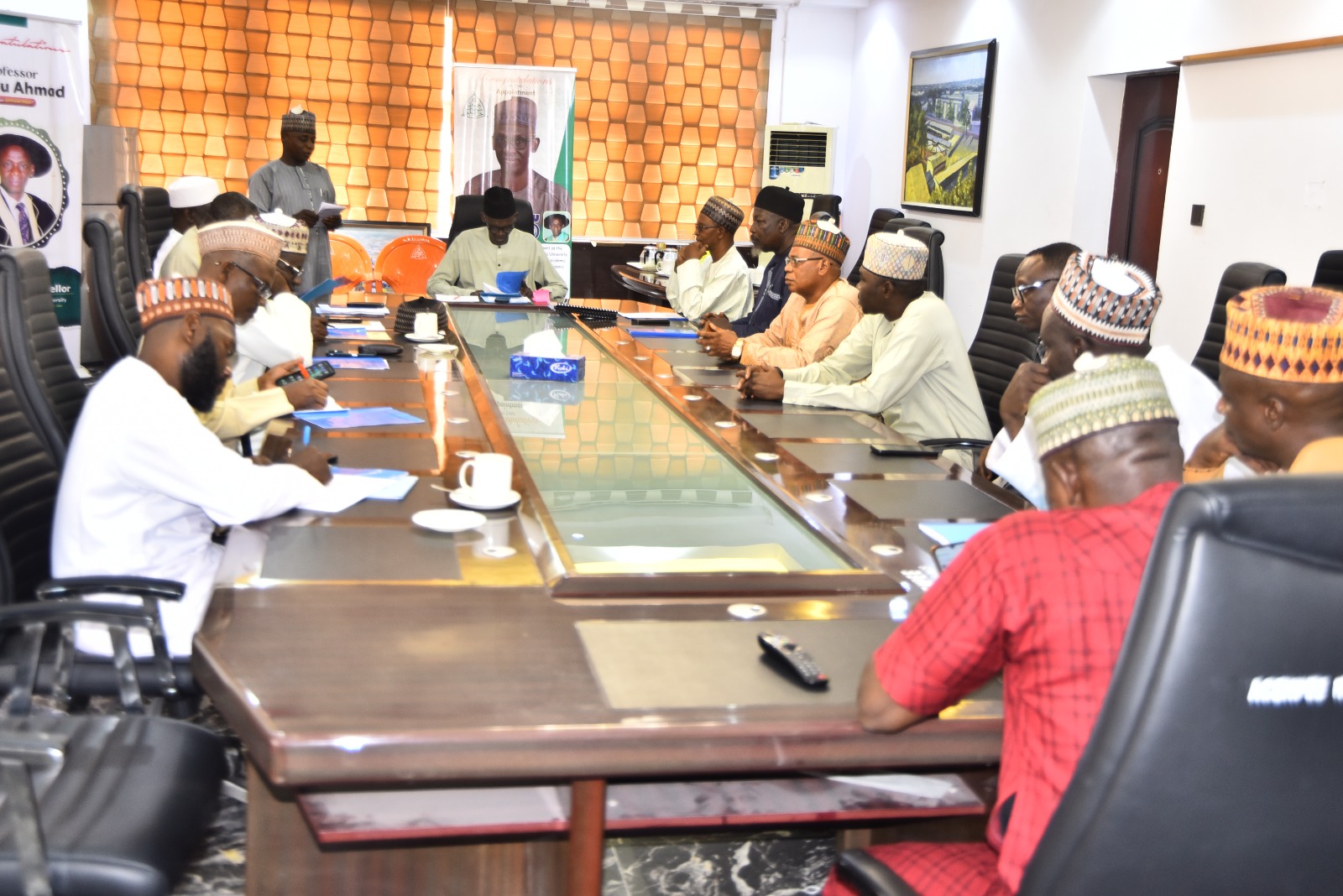
Receiving the two reports separately, the Vice-Chancellor, Prof Adamu Ahmed, thanked members of the committees for the thorough jobs.
Prof Ahmed assured them that the university management would carefully study the reports with a view to implementing the recommendations.
……………………………………..
Public Affairs Directorate,
Office of the Vice-Chancellor,
Ahmadu Bello University,
Zaria (NEWS/AAI/AHW&PIC/TKU)
Saturday, 30th May, 2026