
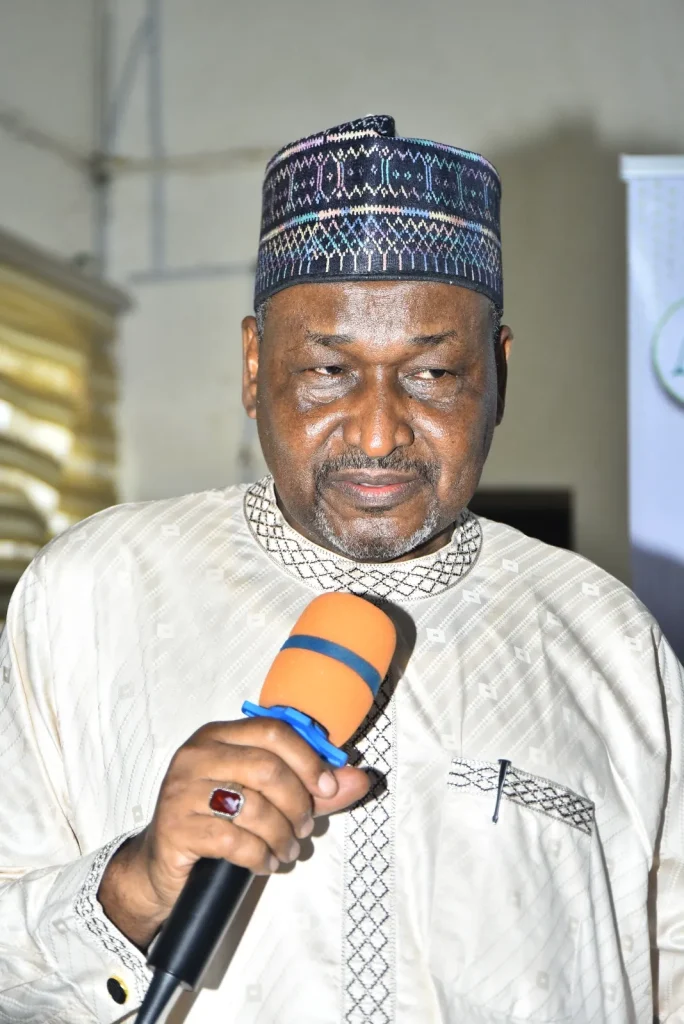
National talks about engineering capacity shouldn’t begin and end with varsities, polytechnics, Bugaje says at ABU conference
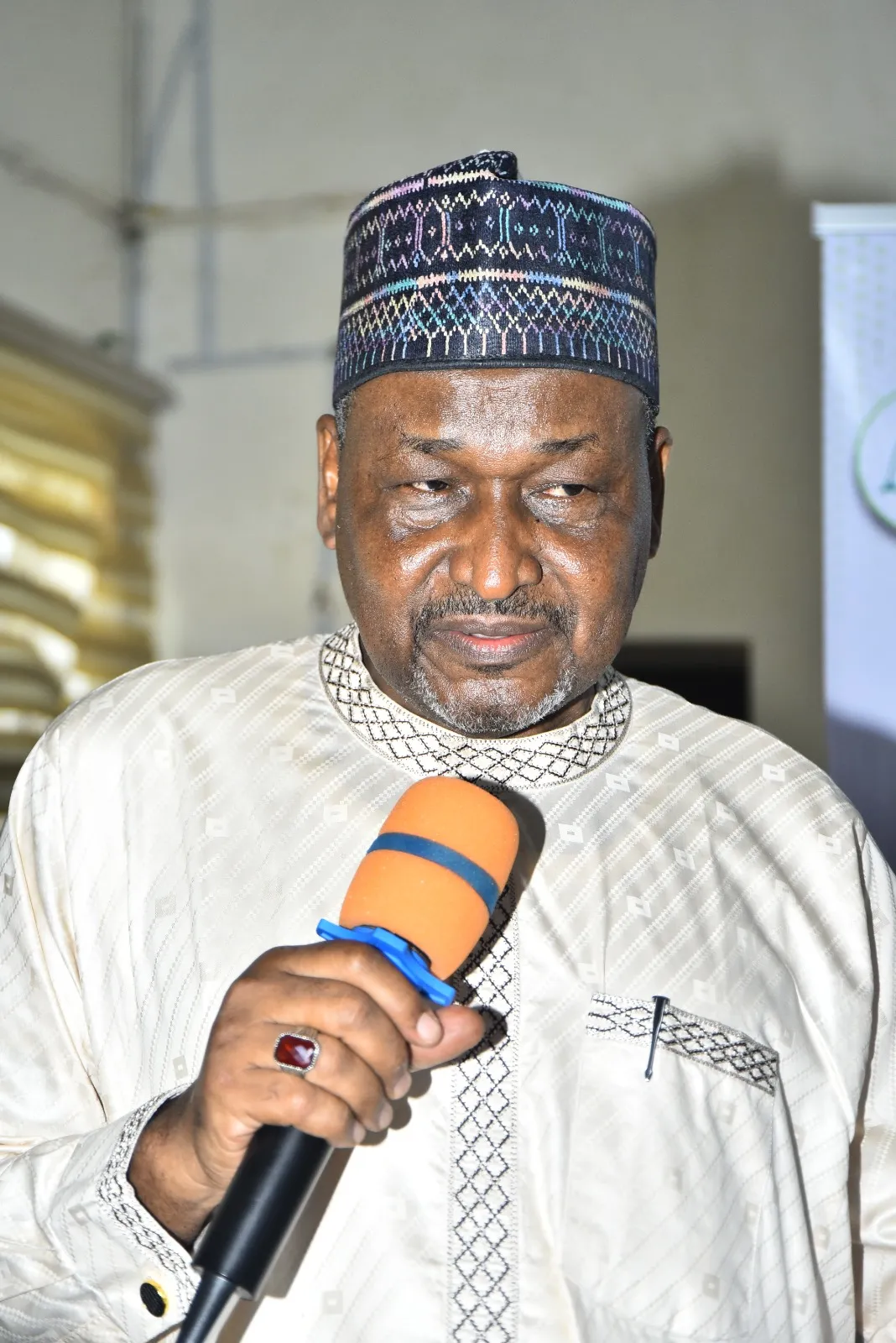
The Executive Secretary, National Board for Technical Education (NBTE), Prof Idris Bugaje, has observed that too often, Nigeria’s conversation about engineering capacity begins and ends with universities and polytechnics.
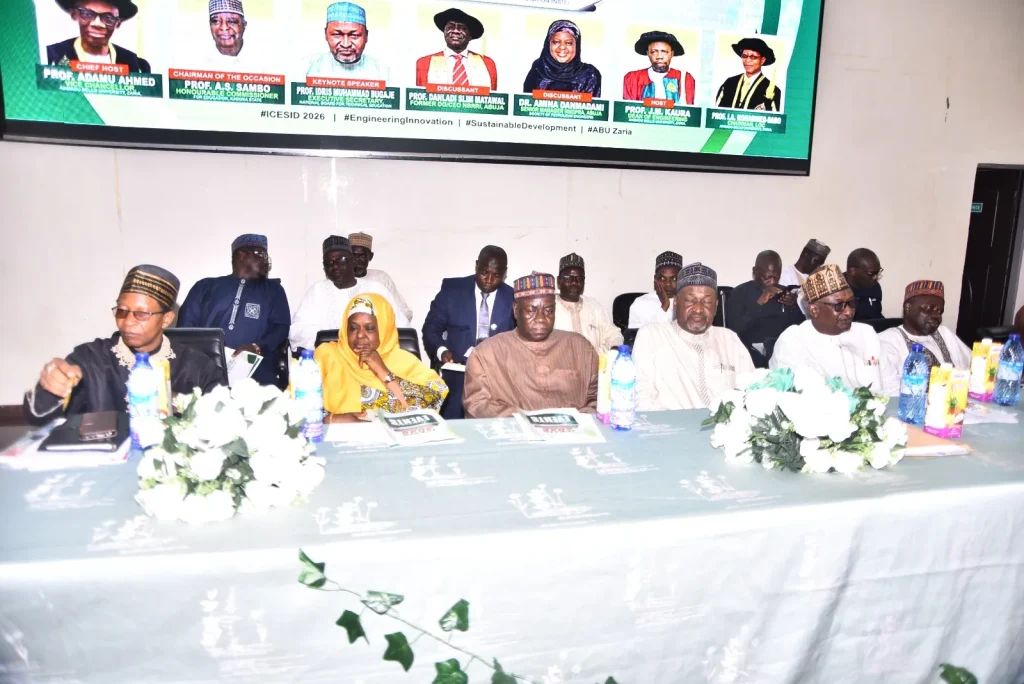
Prof Bugaje made the observation when he gave a keynote address at the International Conference on Engineering for Sustainable Innovation and Development (ICESID 2026) at Ahmadu Bello University, Zaria on Tuesday, 8th September, 2026.
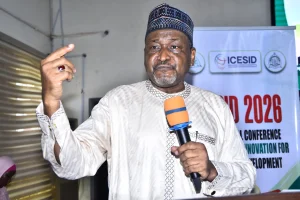
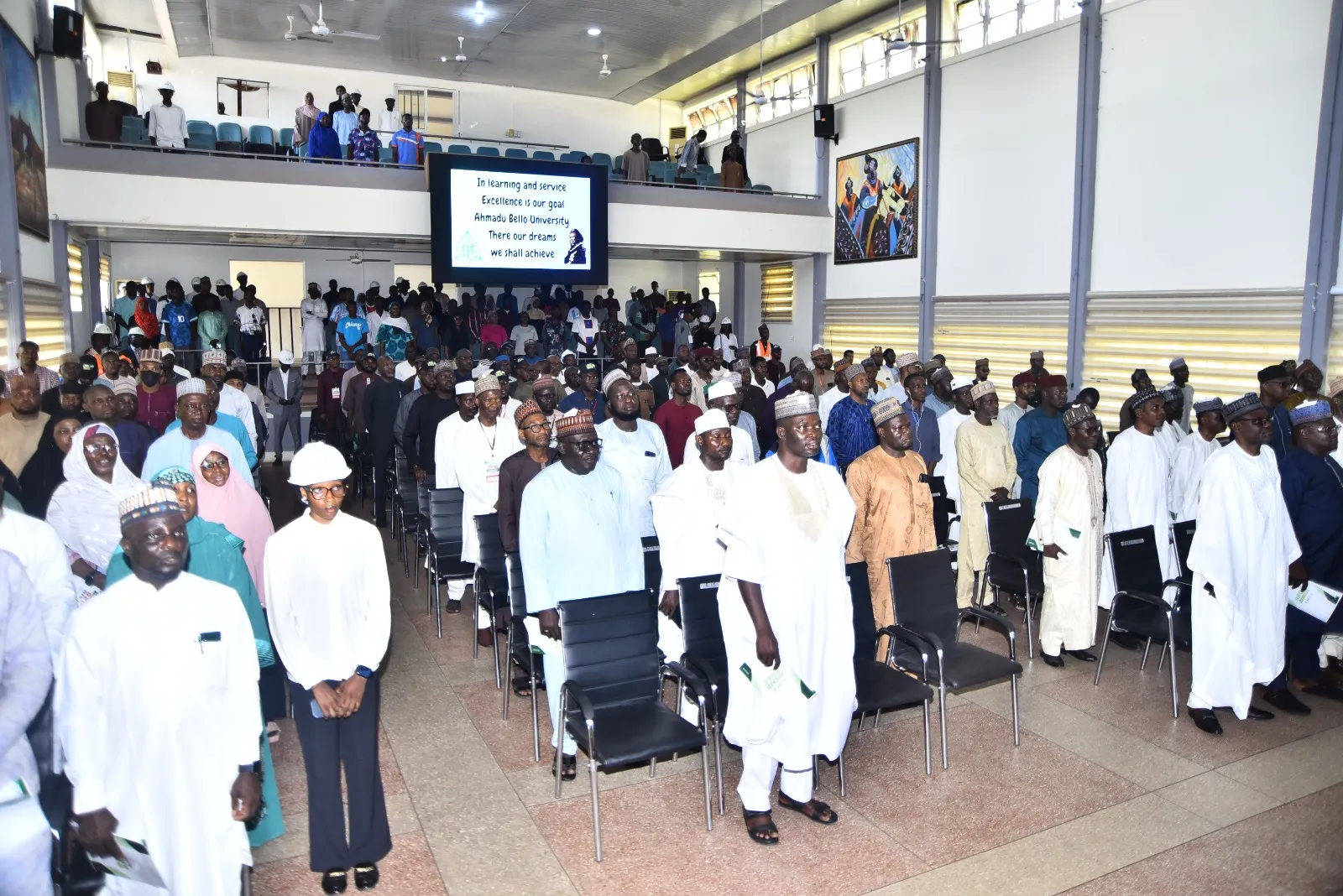
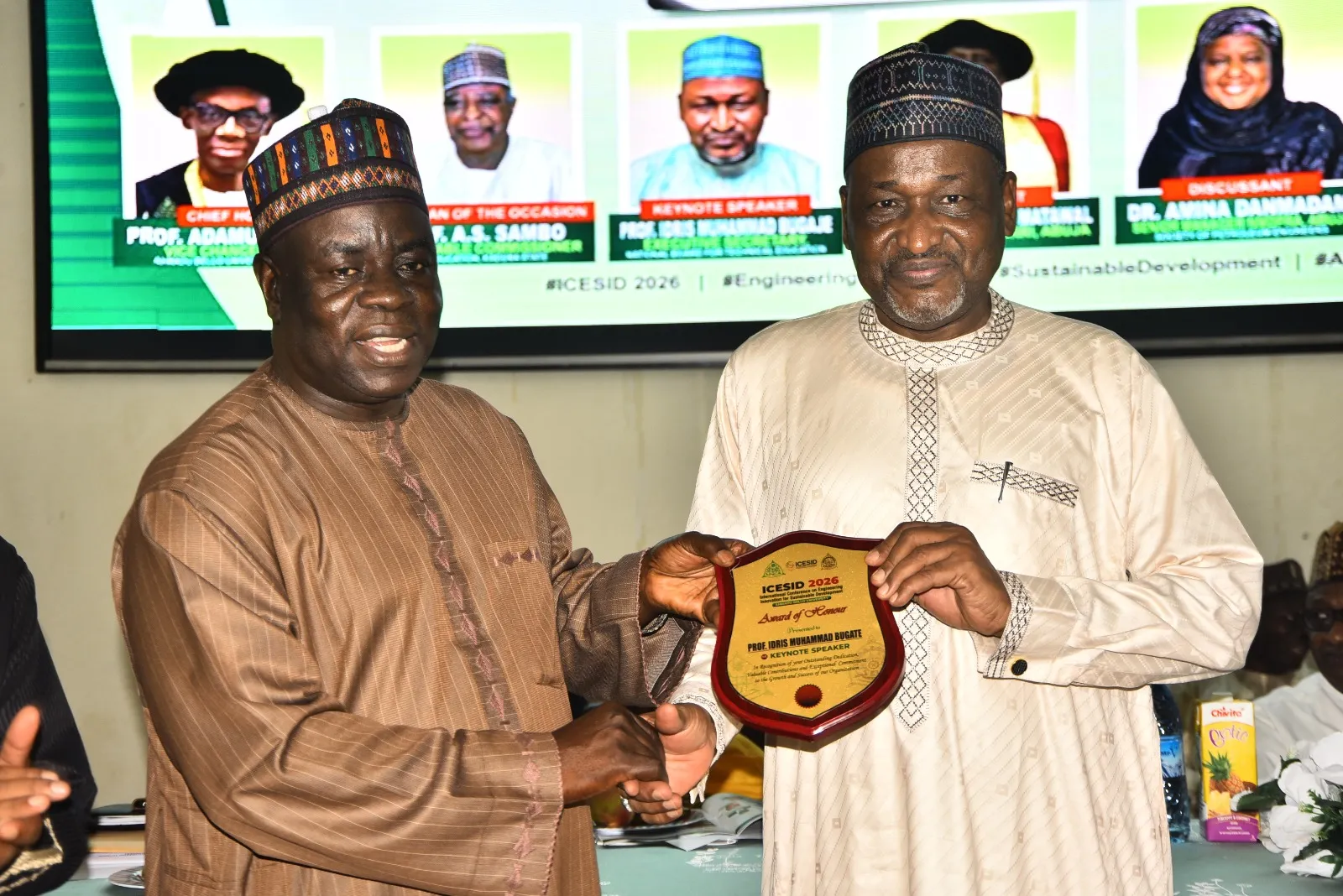
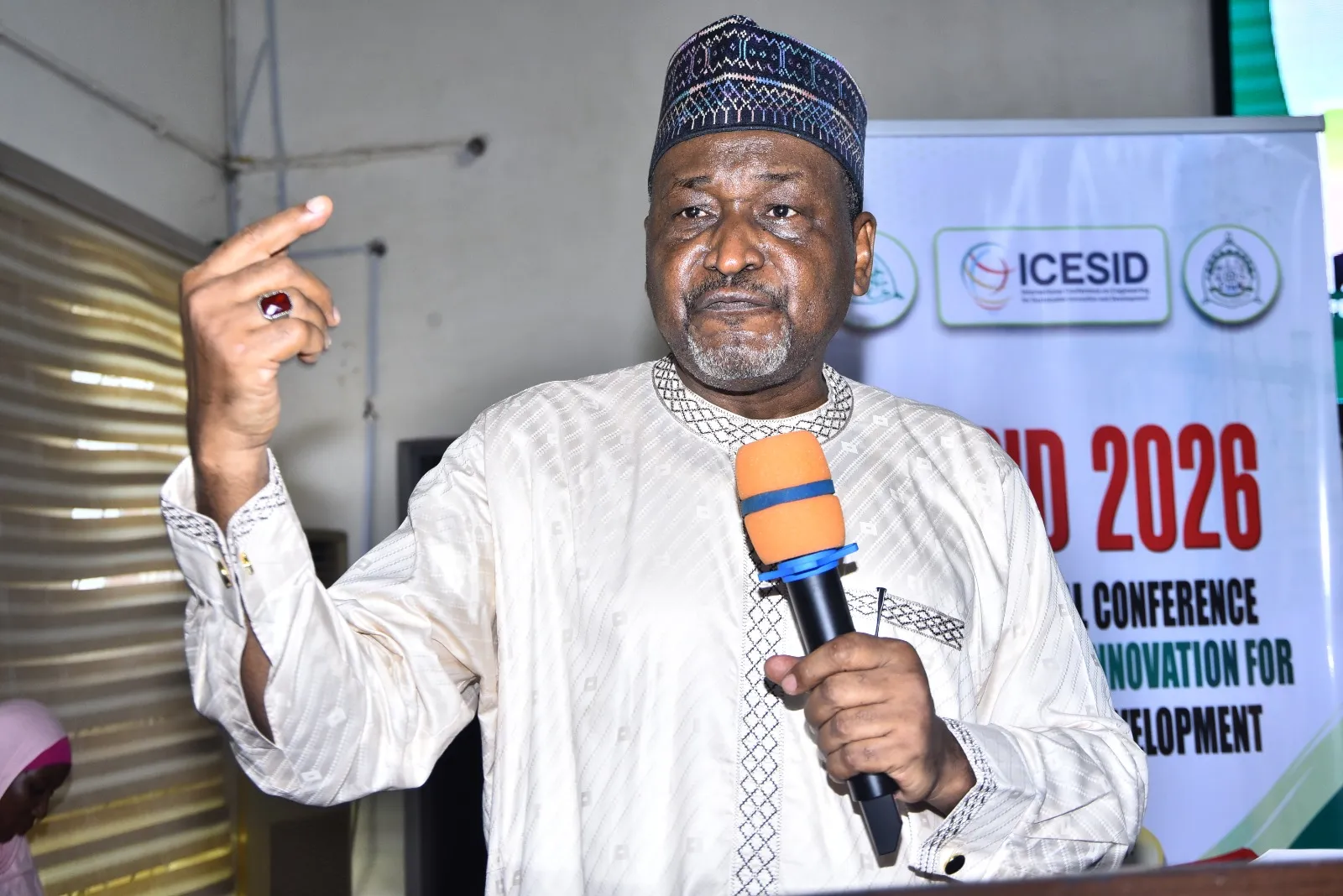
The conference, ‘Innovating Tomorrow: Harnessing Engineering to Drive Nigeria’s Sustainable Development’, was organised by the institution’s Faculty of Engineering.
The NBTE boss admitted that the conversation is necessary.
Bugaje however explained that it is incomplete, given that Nigeria’s true engineering base is broader, more distributed, and more resilient than the formal institutions.
Prof Bugaje, who spoke plainly about the state of engineering and technical capacity in Nigeria, lamented that the informal and technical education systems are Nigeria’s most under-utilised engineering assets.
He pointed out that NBTE is committed alongside Ahmadu Bello University to turning today’s innovation into tomorrow’s national capacity.
He also said Nigeria’s domestic engineering ecosystem must pivot across the fundamental fronts, as sustainable development is not an abstraction.
Bugaje further explained that sustainable development is measured in kilometers of durable roads, in megawatts of reliable power, in litres of clean water delivered, in tonnes of locally fabricated machinery that no longer needs to be imported.
He said all these depend on engineers and, just as critically, on the technicians, artisans, and craftspeople who build, install, operate, and maintain what engineers design.
Speaking further on the untapped potential of the informal skills sector, the NBTE boss cited the example of Kaduna Panteka market.
“By our own assessment, and by the assessment of independent observers, this is the largest informal technology and artisan hub in Africa, home to an estimated 38,000 artisans and apprentices”, he said.
He claimed that the market was not built by any government and that it was not designed by any faculty of engineering.
According to him, it grew organically, through a master apprentice tradition, driven by necessity and sustained by the ingenuity of ordinary Nigerians.
Prof Bugaje stated that NBTE had taken steps to bring the informal capacity into the national framework, saying that since 2017, Kaduna Polytechnic supported by NBTE, had worked with Panteka market to formalise skills training within the market.
He also said the first cohort of Panteka artisans graduated in 2023 with National Skills Acquisition Level 3 certification.
Prof Bugaje further said the market has now been registered under Nigeria’s National Skills Qualification Framework (NSQF), alongside similar hubs such as those in Jos, Ikeja, and Araria-Aba, among others.
He explained that the initiative is a first step towards ensuring that a skill acquired informally is a skill that can be recognised nationally.
“Recognition of prior learning (RPL) is, therefore, taking centre stage across Nigeria’s informal landscape”, he said.
On bridging the gap between curricula and industry, the NBTE boss stressed that engineering innovation, however brilliant, does not drive national development if it stays within the walls of a laboratory or the pages of a journal or book of proceedings.
Prof Bugaje canvassed that the gap between “what we teach, what we research, and what our industries and communities actually need must continue to close.
……………………………………
Public Affairs Directorate,
Office of the Vice-Chancellor,
Ahmadu Bello University, Zaria (NEWS/SGB&PIC/TKU)
Wednesday, 9th September, 2026