
The research project that made ABU team champions at the 2026 ENACTUS national competition
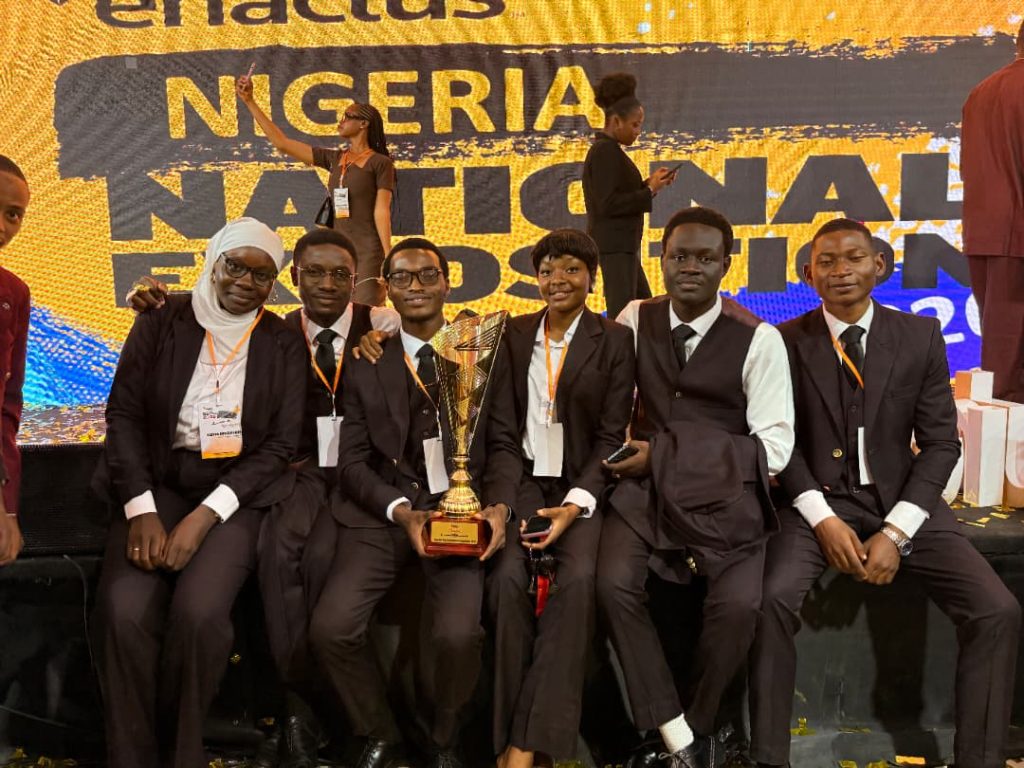
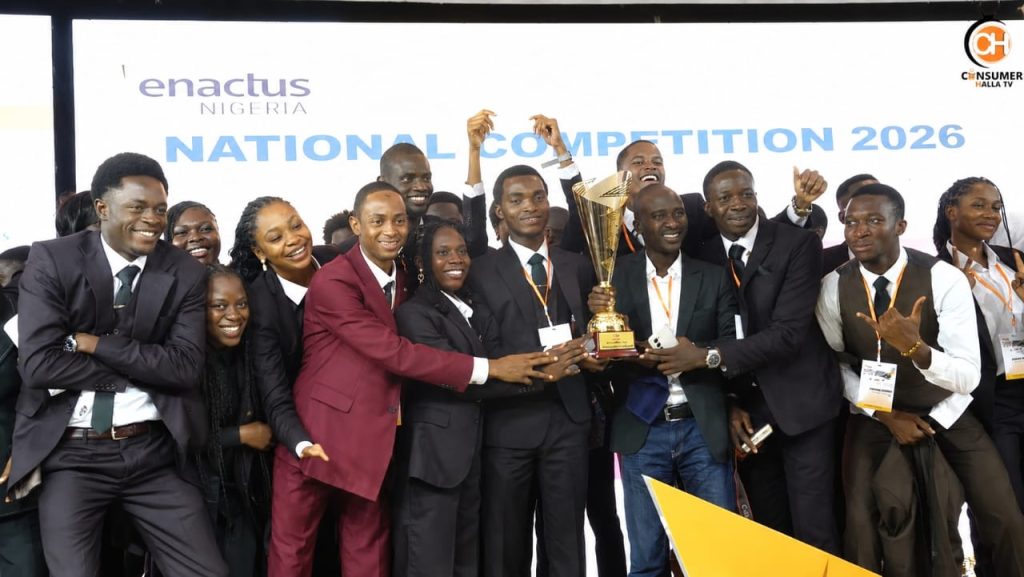
The research project presented by students of Ahmadu Bello University at the 2026 ENACTUS Nigeria national competition focused on addressing challenges across the tomato agricultural value chain was the key point that made the university to emerge as the national champions.
The focus of the project was particularly on addressing pre-harvest pest infestation and post-harvest losses.
The competition took place at the Civic Centre at Lekki in Lagos from 11th – 15th August, 2026.
ABU’s emergence as national champions earned the university the right to represent Nigeria at the 2026 ENACTUS World Cup in Sao Paulo in Brazil in November this year.
The ENACTUS integrated project developed by the students consisted of two major innovations.
They are NeemPest – pre-harvest intervention and Tompa nutritious foods – post-harvest intervention.
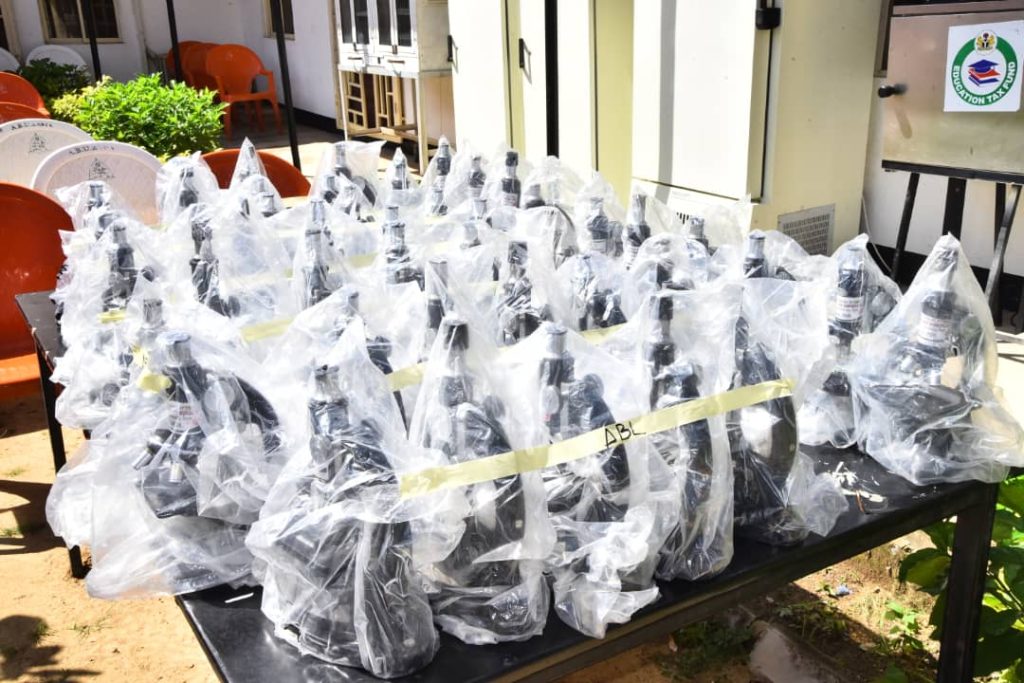
NeemPest is an organic bio pesticide developed from locally available neem trees and containing azadirachtin as its key active compound.
The innovation is designed to help tomato farmers manage destructive pests, particularly Tutaabsoluta, while at the same time providing a locally produced alternative to conventional synthetic pesticides.
Beyond product development, the project incorporated farmer education and capacity building on appropriate pesticide selection, application, calibration, and integrated pest management.
Tompa nutritious foods address post-harvest tomato losses by transforming fresh tomatoes into longer-lasting food products using dehydration and food processing technology.
Through tompa the students created additional value for tomatoes that would have otherwise been lost and at the same time providing consumers with convenient tomato products.
The project was implemented through extensive community engagements, farmer training, product development, market testing, partnerships, and continuous field activities.
The students travelled extensively to tomato producing communities like Kokami in Katsina State, conducting needs assessments, understanding farmers challenges, testing interventions, and implementing the solutions they provided.
The Faculty Advisor, Prof. M. K. Aliyu, mni, spoke on the project, saying that through the research activities, the students directly engaged and trained farmers.
Prof. Aliyu also said the students developed and tested NeemPest in addition to developing and commercializing tompa products.
Additionally, the students established partnerships that expanded farmer education and distribution, created market access for the products, and built a scalable business model around the solutions, he said.
“The project continues to evolve from a student-led initiative into a scalable social enterprise addressing real challenges within Nigeria’s agricultural value chain”, according to Prof Aliyu.
……………………………………
Public Affairs Directorate,
Office of the Vice-Chancellor,
Ahmadu Bello University, Zaria (NEWS/NAM/SGB)
Tuesday, 18th August, 2026